Trump’s new psychedelic order put veterans at the center, and the FDA moved fast enough to spark a fresh fight over safety, power, and who gets heard.
Quick Take
- The White House ordered the Food and Drug Administration to speed review of psychedelic drugs for serious mental illness.
- The plan sets aside at least $50 million for state partnerships and data sharing with federal agencies.
- The Food and Drug Administration said it would issue national priority vouchers for three psychedelic compounds.
- Veterans groups praised the move, while critics warned that fast review does not erase safety concerns.
What Trump Ordered
President Donald Trump signed an executive order on April 18, 2026, aimed at speeding research and access to psychedelic drugs for serious mental illnesses, with veterans named as a key group. The order tells federal agencies to prioritize qualifying products, build data-sharing channels, and clear a path for eligible patients under the Right to Try Act. It also directs the Department of Health and Human Services to put up at least $50 million from existing funds.
The order is not a free pass around the law. It keeps the Food and Drug Administration in the loop and says any drug still must meet approval standards. That detail matters because the policy has been sold as both a mental health breakthrough and a test of whether Washington can move faster without lowering the bar. Supporters say the system has moved too slowly for veterans in pain. Skeptics say speed can become a mask for weak evidence.
Why Veterans Are Cheering
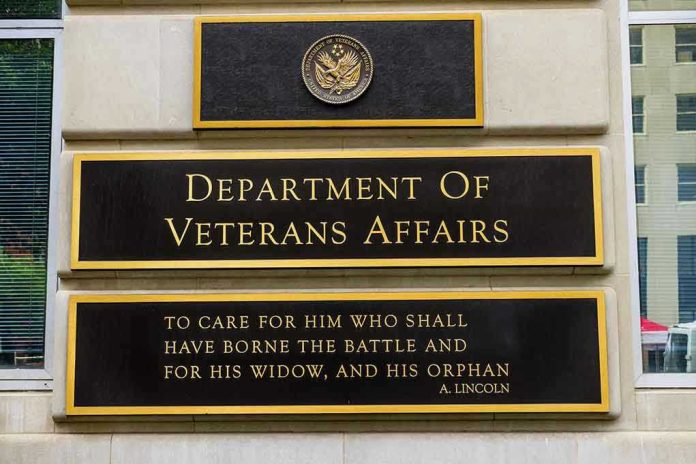
Veterans groups welcomed the order because it signals federal support for treatments many of them already want studied more closely. The Veterans of Foreign Wars said the move could be transformative for veterans struggling with mental health problems, and other veteran advocates called the new policy a major shift after years of tight restrictions. For people who feel the system has failed them, the appeal is simple: more research, more options, and less waiting.
The Department of Veterans Affairs also launched a randomized controlled trial of MDMA-assisted therapy for post-traumatic stress disorder and alcohol use disorder in 80 veterans. That trial gives the administration a concrete way to gather new data inside the federal system instead of relying only on private studies. For supporters, that is the strongest answer to the criticism that psychedelic care rests on hype. It shows the government is not only talking about access; it is testing the treatment itself.
Why Critics Are Still Warning About Safety
The strongest pushback comes from the Food and Drug Administration’s own past action on MDMA therapy. In 2024, the agency rejected a similar application because of problems with the data and study design. That earlier rejection is why many medical observers say fast-tracking does not equal approval. The agency can move faster, but it still has to decide whether the evidence is good enough to protect patients.
Critics also point to ibogaine, which the order places on the pathway even though it lacks United States clinical trials and carries known cardiovascular risks. That mix of urgency and uncertainty helps explain why the debate has grown so sharp. To supporters, the order looks like a long-overdue challenge to federal delay. To critics, it looks like a political sprint through a field where the science is still uneven.
What This Fight Reveals About Washington
This episode lands in the middle of a wider trust problem. On one side are veterans and lawmakers who believe the health system has been too slow, too rigid, and too willing to protect old habits. On the other are doctors and regulators who fear that pressure from the White House can push medicine ahead of the evidence. The executive order tries to bridge that divide, but it also exposes it in public view.
The bigger question is whether the federal government can move quickly without losing its guardrails. The order creates a state-federal funding stream, pushes agencies to share data, and tells regulators to speed review of certain drugs. That may help a small number of veterans sooner. It may also set up another clash between political promises and the slow rules that govern real medicines. The outcome will depend on trial results, not slogans.
Sources:
redstate.com, youtube.com, npr.org, whitehouse.gov, heroicheartsproject.org, facebook.com, fda.gov, news.va.gov, ncmedsoc.org, petrieflom.law.harvard.edu