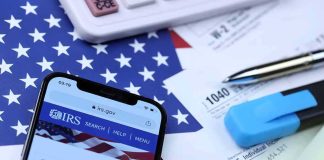
On Monday, September 14, the Small Business Administration suspended 870,000 Paycheck Protection Program and Economic Injury Disaster Loan borrowers tied to about $39 billion in suspected fraud. The money went out the door in 2020 and 2021. The bans arrive five years later, and the question Washington has not answered is what took so long.
Story Snapshot
- September 14: SBA says 870,000 borrowers are suspended over suspected PPP and EIDL fraud worth about $39 billion.
- Suspended borrowers face bans from future federal lending and certain contracting programs.
- Government Accountability Office says key fraud checks arrived after most relief money went out.
- Critics warn blanket suspensions risk punishing legitimate firms without precise case reviews.
What Washington Announced And Why It Matters
The U.S. Small Business Administration said it suspended 870,000 U.S. borrowers linked to suspected fraud in pandemic Paycheck Protection Program and Economic Injury Disaster Loan funds, totaling about $39 billion. The agency framed the step as its largest anti-fraud action to date. Suspensions block access to future Small Business Administration loans and some federal programs, raising real stakes for firms. The Department of Justice called the move a historic push against pandemic loan abuse.
The Small Business Administration linked this action to a broader recovery plan. In April 2026, the agency sent 562,000 suspected fraudulent loans to the Department of the Treasury for collection, tied to $22.2 billion, and said many were flagged earlier but not pursued for collections or Justice Department probes. The agency’s message is simple: identify suspect loans, freeze access to federal benefits, and try to claw back taxpayer money.
🚨 COVID FRAUD CRACKDOWN!
160+ defendants. $245M in intended losses.
SBA: 870,000 borrowers tied to $39B in suspected PPP/EIDL fraud.
Demand letters are going out.
Repay—or face collections. https://t.co/ERz7qm9tJf
— Johnsen mark (@Johnsenmarsiqu) September 15, 2026
The Scale Of Fraud And The Long Shadow Of Missed Controls
The Small Business Administration Office of Inspector General has long warned that fraud during the pandemic was large. In 2023, the office estimated more than $200 billion in potentially fraudulent Paycheck Protection Program and Economic Injury Disaster Loan funds, roughly 17 percent of disbursements. Those numbers do not prove guilt in each case, but they show how wide the risk spread. That scope helps explain why current enforcement is blunt and broad rather than slow and surgical.
The Government Accountability Office says timing made things worse. It found the Small Business Administration did not fully roll out its four-step fraud detection process for coronavirus loans until over half of funding had been approved. It also said stronger screening for Paycheck Protection Program loans did not arrive until January 2021, after about two-thirds of that program’s funds were approved. Weak early checks let bad applications slip through, making clean-up slower and harder years later.
Fairness Fights: Blanket Suspensions Versus Case-By-Case Proof
Policy groups now question the sweep. The centrist think tank Third Way says blanket suspensions risk mixing up real fraud with paperwork errors or weak signals and urges risk-based, case-by-case enforcement guided by credible evidence and defined indicators. That argument lands with small firms that followed the rules but now face sudden bans. The Small Business Administration says suspensions are temporary tools, not verdicts, but the economic hit can still be serious for affected borrowers.
Congressional oversight records add to these worries. Lawmakers and watchdogs reported delays and even obstruction in getting loan-level data during the pandemic rollouts, as well as incomplete anti-fraud policies while applications surged. Those gaps feed a shared frustration on the right and left: the government moved cash fast, missed basic controls, and is now punishing at scale to make up for past failures. Many see a system that protects insiders while small shops bear the cost.
What This Means For Small Businesses And Taxpayers
Suspended borrowers lose access to new Small Business Administration credit and some federal contracts, which can mean lost jobs and shuttered plans. Borrowers can still contest findings, but the process takes time. Taxpayers, meanwhile, want money back and a clear fix. Better identity checks up front, faster data sharing across agencies, and real-time analytics can shrink false positives while catching true fraud earlier. The current crackdown shows why prevention beats clean-up every time.
Sources:
pjmedia.com, x.com, thirdway.org, legacy.sba.gov, everycrsreport.com, gao.gov