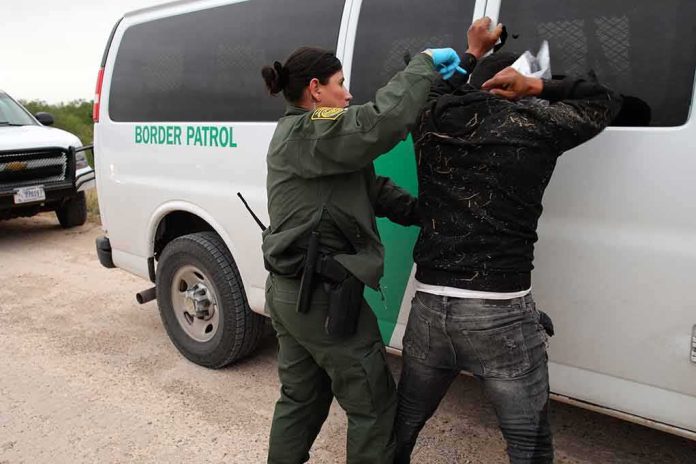
A federal judge in Alabama ordered immigration agents on Monday, September 21, to stop three specific practices at construction sites. Two of them are the kind of thing lawyers argue about. The third is the one that stops you cold: agents have to let a man go once he has proven he is a United States citizen.
Where This Stands Right Now
- Chief U.S. District Judge Jeffrey Beaverstock issued the order September 21, 2026, in the Southern District of Alabama.
- It temporarily blocks three practices: warrantless entry into private work areas, detaining workers without individualized suspicion, and continuing to hold people after they have shown proof of lawful status.
- The plaintiff is Leo Garcia Venegas, a Baldwin County construction worker and a U.S. citizen, who says agents detained him repeatedly during 2025 job-site sweeps despite the identification in his pocket.
- The judge found Venegas likely to succeed on Fourth Amendment grounds. The order is temporary and the case moves forward.
- The Department of Homeland Security says worksite enforcement is lawful and aimed at labor trafficking and illegal hiring.
The Third Practice Is The One That Stings
Read that third item again. A federal court had to write down, as an order, that agents may not keep holding someone after he has produced proof that he is an American citizen. That is not a technical point about warrants or probable cause. It is the part of the ruling that any citizen can measure against his own wallet, because the only thing standing between him and the same afternoon is a card he is carrying right now.
Venegas says it happened to him more than once during sweeps in the spring and summer of 2025. He says he produced valid identification and was held anyway. The judge’s order does not resolve whether every detail of his account is correct, and discovery is where that gets tested. What the judge did find is that the practices he described are likely unconstitutional, which is a high bar to clear this early in a case.
Judge orders ICE to halt warrantless construction raids after Alabama worker detained twice https://t.co/W3PbYZncAo
— AL.com (@aldotcom) September 21, 2026
What The Order Actually Covers
The order reaches three policies challenged in the suit. The first is entering the private working areas of a business without a warrant or the owner’s consent. Courts have long held that the private areas of a business are not open ground for law enforcement. The second is detaining workers preemptively, by proximity, without particular suspicion about the individual being held. The third is the continued detention after status is established.
Those three describe a single pattern: a sweep that starts wide and sorts people out afterward. That approach is efficient. It is also the approach most likely to pull in citizens and lawful workers along with anyone actually in violation, because the sorting happens after the handcuffs rather than before.
What The Government Says
Homeland Security has defended worksite operations as lawful and necessary, saying they protect the labor market and help break up trafficking and exploitative hiring. In related matters the department has said agents operated under a judicial search warrant as part of a broader criminal investigation, and that workers taken into custody were found to be working in violation of their status.
On the question of detaining a citizen, the department has argued that obstruction can justify an arrest, and has said Venegas placed himself between agents and a target and did not comply with commands. That is the live dispute: whether what happened on those sites was tied to clear legal authority, or drifted past it in a fast-moving operation. The court has not resolved it. It has only said the plaintiff is likely to be right.
Why A Temporary Order Still Matters
A stay is not a final judgment, and the government may appeal. But a stay sets the rules for how these operations run while the case proceeds, which means it changes conduct on the ground now rather than years from now. It also puts the burden where discovery can reach it: records, warrants, and accounts of what agents did at each site.
Americans are not divided about wanting immigration law enforced. Most want it enforced, and enforced seriously. What this case asks is narrower and older than the immigration fight: whether the government has to stop when a citizen proves he is a citizen. A court in Alabama has now said, in writing, that it does.
Sources:
alreporter.com, mynbc15.com, reason.com