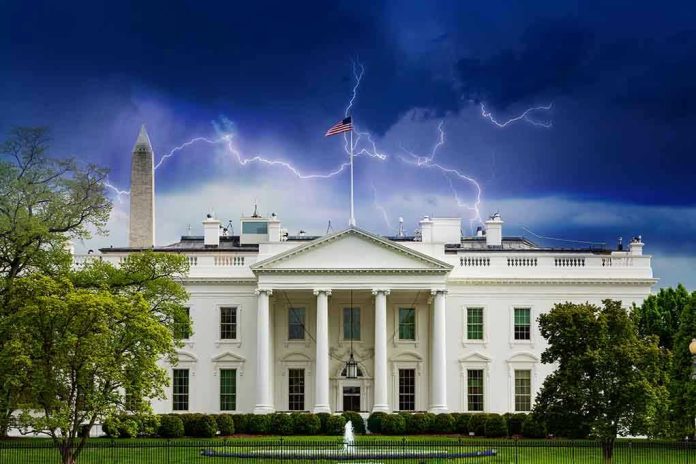
Israeli intelligence warned the United States of a new, specific Iranian plot to assassinate President Donald Trump, prompting fresh security urgency in Washington.
Story Highlights
- Israel told U.S. officials about a “specific” Iranian plan targeting Trump.
- Reports offer no details on timing or method, and U.S. agencies have not verified the intel.
- Iran’s president publicly denied any plot, creating a direct dispute with the reports.
- The warning arrives amid rising U.S.-Iran tensions and fits a long pattern of Iranian plots.
Israeli Warning Cites a New, Specific Assassination Plot
Wall Street Journal reporting states Israel shared fresh intelligence that Iran considered a new plan to assassinate President Trump. Times of Israel and France 24 echoed that the plan was described as “specific,” while details stayed classified. U.S. outlets and broadcasts amplified the alert, reflecting swift attention across media. The dispatch underscores a direct threat to a sitting American president. The report aligns with prior warnings that Iranian leaders seek revenge for past U.S. actions.
Follow-on coverage on television and social platforms confirmed the core claim while stressing gaps in public evidence. CBS Mornings referenced the Wall Street Journal report in its update to viewers, further elevating awareness of the warning. A local report added the alert came as a fragile ceasefire with Iran faced strain, which raised concerns about timing and motive on both sides. The message to Americans is clear: the risk environment is live, and the target is the commander in chief.
What Is Known, What Isn’t, and Why It Matters
Reports do not disclose the method, timing, or named operatives involved. U.S. officials have not publicly corroborated Israel’s intelligence, which leaves a verification gap. Iran’s president denied any such plot in an interview, directly contradicting the reports. Yet absence of public details does not equal safety. Intelligence often arrives in fragments. Security teams must act on credible threat indicators to protect life, even when the public cannot see the sources.
The lack of named operatives and intercepted communications in open reporting invites questions. Still, Israel’s warning tracks with a broader pattern of Iranian operations that target American leaders and dissidents. That history includes past United States indictments and diplomatic alerts about Iranian plots at home and abroad. The public may want more evidence, but the duty to guard a president requires swift, sometimes quiet, mitigation steps while agencies assess and corroborate.
A Long Pattern of Iranian Plots Shapes Today’s Risk
United States and allied records describe decades of Iranian-linked assassination and terror plots that cross borders and target high-profile figures. A State Department summary catalogs attacks and foiled plots reaching back 40 years. That record frames why officials cannot ignore an alert, even if details remain sealed. When the target is a president, risk tolerance is near zero. That is not politics. That is common sense rooted in the duty to protect the office.
Israel Warns Trump of New Iran Assassination Plot: Sources
Israel has reportedly warned Washington that Iran is actively plotting to assassinate the US president, adding a new layer of tension to the already volatile conflict between the United States and Tehran.— joe t (@jtinaglia) July 10, 2026
For readers who value the Constitution and stable leadership, the stakes are direct. An attack on a president is an attack on our system of self-government. The Trump administration must keep layers of protection strong, push agencies to verify the intel, and demand costs on any state actor that plans murder on or against Americans. Congress should back rapid security funding and strict sanctions triggers if evidence confirms Iranian state direction of such a plot.
Security, Policy, and Next Steps for the Trump Administration
White House and law enforcement leaders should continue tight coordination with Israeli services while pressing for raw intelligence that can be independently checked. The administration can order expedited reviews, seek declassification where safe, and brief bipartisan leadership to build unity. If agencies confirm sponsorship by Iran, policy responses could include targeted sanctions, criminal charges, and international pressure at the United Nations. Every step should center on deterrence and the safety of American officials.
How Readers Can Think About Conflicting Claims
Media echoes do not prove facts, and official denials do not erase risk. The best approach is to weigh confirmed patterns and the credibility of the messenger. Israel has deep collection on Iran. The United States has a duty to test and verify. Until verification is public, citizens can expect higher security around the president, limited disclosure, and careful language from agencies. That balance protects lives while avoiding steps that could trigger wider conflict without proof.
Sources:
pjmedia.com, youtube.com, timesofisrael.com, facebook.com