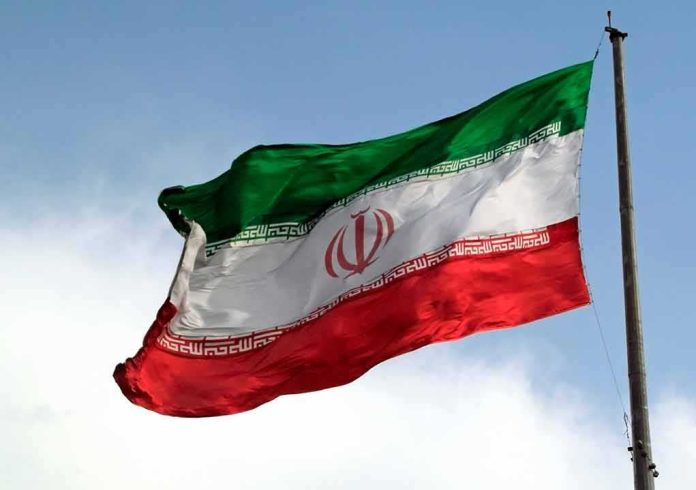
Soaring fuel costs tied to the Iran war are pricing Cambodian children out of school, one bus fare at a time.
Story Snapshot
- Cambodia’s government linked rising pump prices to the Middle East conflict, with repeated pricing notices.
- Higher fuel costs raise transport and school expenses, squeezing family budgets and risking dropouts.
- Regional and global monitors warn that oil shocks erode purchasing power and strain education systems.
- Rapid price spikes were recorded in March, with gasoline and diesel jumping within days.
Cambodia pins fuel surge on Middle East conflict
Cambodia’s Ministry of Commerce said retail fuel prices kept rising because the Middle East conflict escalated. Official notices set regular gasoline around 5,450 riels per liter at points this spring, with further changes posted over the following months. A cluster of government pricing notices through March to August shows how often the state adjusted posted rates during the turmoil. Frequent updates signal a fast-moving market and the effort to pass global shocks to local pumps.
Local news reports also described sudden shortages and jumps at kiosks during early March. One outlet cited prices for premium grades rising from 4,750 to 6,800 riels per liter, reflecting acute stress on supply and affordability. A World Bank brief recorded a sharp spike from March 7 to March 17, with gasoline and diesel retail prices jumping in days. That surge raised transport and delivery costs across the economy, with households hit first at the cash register.
How higher fuel costs reach the classroom
Families pay to get children to school, buy uniforms, and cover small fees. When fuel costs rise, transport eats a bigger share of income. International research finds that when food or fuel prices jump, parents often cut school-related spending first. That raises absenteeism and the risk of dropping out, especially among the poorest students. A study on price shocks shows schooling falls when basic costs rise, as families shift time and money toward work and survival.
Reporting from Cambodia points to this pattern. Rising pump prices make it harder for students and teachers to travel, and for education budgets to stretch. An overview tied these pressures to the Iran war’s effect on global oil, which filters down to bus fares, boat fuel, and school operations. Photos and accounts from Tonle Sap communities showed students missing class when families could not cover fuel for long boat rides to floating schools, a vivid example of price pain turning into lost learning.
Economic strain and what it means for policy
Regional surveillance flagged Cambodia’s exposure to higher oil and fertilizer costs linked to the Middle East conflict. Analysts warned that transport costs would rise and household purchasing power would fall, even as parts of manufacturing held up. That mix can widen gaps between families who can absorb higher prices and those who cannot, with education losses hitting low-income children most. Such gaps harden over time if students leave school to work.
Global oil shocks also stress government budgets. Fuel subsidies and price smoothing can protect consumers for a time, but they cost money. Education budgets then face hard tradeoffs on teacher pay, school meals, and transport support. The World Bank brief noted the speed of the March jumps in Cambodia. Fast spikes limit planning time and force short-term fixes, while the risk of more volatility remains as the conflict continues.
Why this matters to Americans across the aisle
A war far away is forcing poor parents to choose fuel over school. That is a stark picture of how geopolitics and markets touch real lives. Conservatives who worry about global shocks and fragile supply lines see proof that energy policy and security have human costs when they fail. Liberals who focus on inequality see how the poorest kids lose first when prices jump and safety nets are thin. Both sides see systems that react late and protect insiders.
Iran war risks education of children in Cambodia #AssociatedPress https://t.co/wMJZmWeVft
— #TuckFrump (@realTuckFrumper) August 17, 2026
For readers in the United States, the lesson is clear. When policy ignores everyday costs, children pay the price. Reliable energy, transparent pricing, and targeted aid can keep students in class when shocks hit. Cambodia’s rapid pricing notices show active management, but families still feel the squeeze. Keeping kids in school requires quick help with transport, meals, and fees during price spikes. That is not charity; it is protecting the next generation’s chance to rise.
Sources:
english.news.cn, aol.com, data.opendevelopmentcambodia.net, opendevelopmentcambodia.net, cambojanews.com