When Turkey barred a gay cruise ship using vague “moral values,” it exposed a deep clash between modern rights and old power structures that worries people on both the left and the right.
Story Snapshot
- Turkey blocked an American LGBTQ-themed cruise ship from all planned port stops, citing “moral standards” and “family values.”
- Local officials claimed the passengers were “known for behaviors incompatible” with Turkish society but offered no specific evidence or law.
- The cruise company says this is the first time in more than three decades they have been denied docking because of who their guests are.
- The move fits a growing pattern of governments using vague moral language to control speech, travel, and culture, raising alarms about elite power over ordinary people.
What Exactly Happened To The LGBTQ Cruise
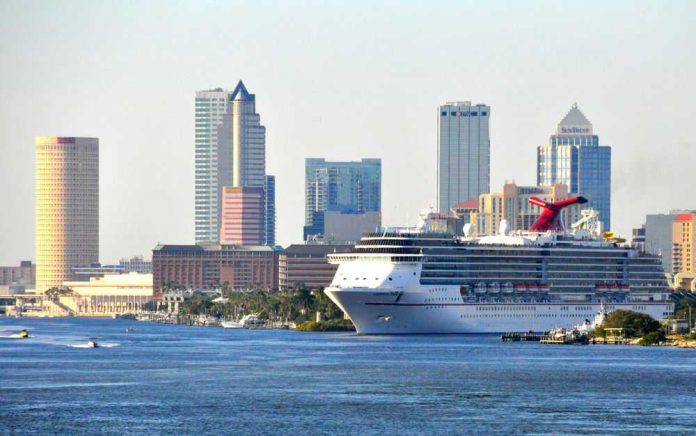
Turkish authorities told a U.S.-based company that its gay-themed cruise ship could not dock at any Turkish ports on its planned route. The ship was scheduled to visit the resort town of Kusadasi and then spend two more days in Istanbul during a Mediterranean trip from Athens to Venice. On July 2, Turkish officials informed the organizers that both port calls were canceled, forcing the company to quickly reroute the ship to other destinations, including Cairo and Crete.
Turkey blocks cruise ship carrying 2,000 LGBTQ+ passengers and a ‘furious’ Patti LuPone, citing ‘moral values’ – The Guardian https://t.co/PtqOn2yvBw
Follow @NewsHubGlobe for 24/7 breaking news from around the world. pic.twitter.com/ZC5PEx58QJ
— News Hub (@NewsHubGlobe) July 6, 2026
Officials in Aydin province, where Kusadasi is located, posted a statement saying there was “absolutely no possibility” of the group visiting their region. They claimed the cruise was chartered by groups “known for behaviors incompatible with the fabric of our society and our moral values.” Turkish authorities did not point to a specific incident on this trip or cite a particular law that the passengers had broken. Instead, the ban rested completely on broad ideas about morality and family.
Turkey’s Moral Language And A Growing Pattern
This is not the first time Turkish officials have used “moral standards” and “family values” to shut down LGBTQ-related events. Pride marches in Istanbul were banned starting in 2015, first under the label of safety concerns, but later widely seen as moral censorship of gay and transgender people in public life. Over the last decade, local officials have blocked at least a dozen LGBTQ gatherings or conferences, often claiming they clash with the country’s “societal fabric.” Many of these bans became permanent, with only a few reversed after heavy pressure.
This steady move from clear laws to fuzzy moral claims worries many citizens, no matter their politics. Vague standards make it easier for governments to target any group they dislike without having to prove wrongdoing. Conservatives know this tool has been used against religious groups and traditional speech in Western countries. Liberals know it has been used against minorities and protesters. When leaders can simply say “this clashes with our values,” they dodge debate, evidence, and due process, leaving regular people at the mercy of officials and bureaucrats.
How The Cruise Company And Passengers Responded
Rich Campbell, the president and chief executive officer of Atlantis Events, said the company has visited Turkish ports many times over 25 years without issues. He stressed that this was “not a pride march, protest, or political statement,” but a vacation where guests planned to eat, shop, and take tours like any other travelers. Campbell told reporters that in the company’s 36-year history, this was the first time a country had clearly said they could not dock because of their identity.
Passengers interviewed by news outlets described the group as a mix of everyday Americans simply hoping to enjoy a Mediterranean trip. They said officials gave no concrete example of disrespectful behavior, just a blanket claim about “incompatible” conduct. The United States Embassy in Turkey tried to persuade local authorities to reconsider, but diplomats were unable to change the decision. That failure underlines how firm the Turkish stance was and how little room there was for negotiation once “morals” were invoked.
From A Nightclub Post To A National Ban
One video report traced the start of the controversy to a simple social media post by a nightclub in Turkey that invited “Virgin Atlantic cruisers” to visit the venue. The club later apologized for the post, and the cruise company also apologized to its guests for the confusion. Yet within a short time, officials used the attention around that small incident to reconsider the ship’s presence and then move to a full ban on docking. That rapid jump from a local post to a national port denial looks extreme to many observers.
Turkey blocks cruise ship carrying 2,000 LGBTQ+ passengers and a ‘furious’ Patti LuPone, citing ‘moral values’ – The Guardian https://t.co/PtqOn2yvBw
Follow @NewsHubGlobe for 24/7 breaking news from around the world. pic.twitter.com/ZC5PEx58QJ
— News Hub (@NewsHubGlobe) July 6, 2026
For Americans watching from home, the story feels familiar in a troubling way. People across the political spectrum increasingly believe that those in power—whether in Ankara, Washington, Brussels, or elsewhere—use crises and moral language to expand control instead of solving real problems. Conservatives worry that global elites use “values” talk to attack tradition while ignoring borders and working families. Liberals worry that leaders use the same language to shut down dissent and minority rights. This Turkish ban triggers both fears at once.
What This Reveals About Global Politics And Everyday Freedom
Many international media outlets framed Turkey’s move as discrimination against gay travelers rather than a neutral enforcement of law. That view will likely be echoed by human rights groups and LGBTQ advocates who already see a pattern of moral crackdowns in parts of the Islamic world. At the same time, Turkish officials are signaling that they can decide which tourists “fit” their national identity, even when those tourists bring money, jobs, and goodwill. That message reaches far beyond one ship.
For Americans frustrated with both parties at home, this case is a reminder of a larger problem: when leaders can hide behind vague “values,” they can pick winners and losers in ways that feel arbitrary and rigged. Today it is a gay cruise in a foreign port. Tomorrow it could be your church, your speech, your business, or your protest, judged by standards you never got to vote on. The core question this episode raises is simple and serious: who gets to decide what “moral” means, and how much power should those people have over everyone else’s freedom to travel, speak, and live?
Sources:
townhall.com, usatoday.com, cnn.com, facebook.com