A bomb threat at Huntington Hospital in Pasadena drew a major emergency response before investigators said the call was a swatting hoax tied to the extremist group 764.
Quick Take
- Authorities said the threat came in early Friday morning and triggered police, fire, and bomb squad units.
- Reporters said the caller claimed to be part of 764, an online extremist network known to law enforcement.
- No explosives were found, and no injuries were reported.
- Public reporting still leaves some gaps, including the original call audio and any arrest or charging record.
What Happened at Huntington Hospital
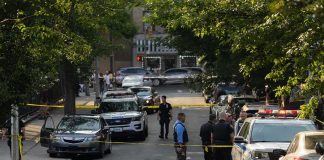
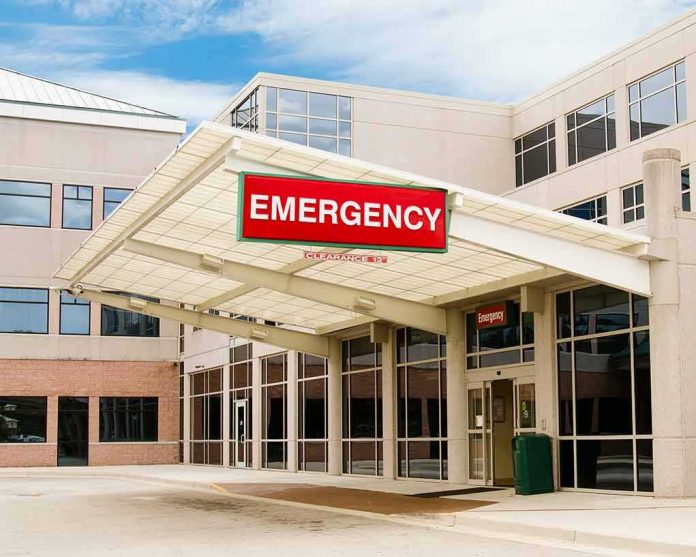
Huntington Hospital in Pasadena was placed under a bomb threat search after a call reported around 5:40 a.m. Friday. City officials said police, fire crews, and bomb-sniffing dogs searched the campus, while the hospital handled the situation as a swatting-style hoax. The Los Angeles Times reported that the caller said they were a member of 764, based on a source familiar with the investigation.
The hospital later said normal operations were resuming, and no injuries were reported. The Los Angeles Times said patients and staff were not evacuated, though emergency room traffic was temporarily diverted to other hospitals. ABC7 and CBS Los Angeles both reported a major response and an all-clear later in the morning, showing the same core event but slightly different descriptions of the hospital’s short-term impact.
Why the 764 Link Matters
The 764 name has drawn attention because law enforcement and some news outlets describe it as a violent online network. The New York Post and the Los Angeles Times both tied the Pasadena call to that label, but the strongest public detail is still indirect: the caller allegedly claimed the group name during the threat call, rather than in a public affidavit or released transcript.
That gap matters because it keeps the record in an early stage. Pasadena Now said the Federal Bureau of Investigation was helping Pasadena police identify the caller, and ABC7 reported that officials had not released more details. So far, the public reporting shows a serious disruption, but not a public suspect, arrest, or charging document.
What the Reporting Leaves Unclear
The public record does not yet show the original call audio, dispatch log, or any court filing that proves the 764 claim on its own. It also contains mixed descriptions of the hospital response, with some outlets saying the hospital stayed open and others saying it closed or diverted emergency traffic. Those differences do not change the main fact that the threat forced a large response, but they do show how fast-breaking hoax cases can produce uneven coverage.
Group 764 phoned in a bomb threat to Huntington Hospital in Pasadena early Friday morning, saying multiple explosives had been placed inside and that armed suspects were on the way.
Police, K9 units, and fire personnel responded quickly, secured the campus, and searched the… pic.twitter.com/PnpRBA18tI
— Gina Beana Fofina (@Ginasassyass) August 9, 2026
The broader issue is bigger than one hospital. Swatting calls waste emergency resources, tie up police and fire crews, and can put patients, workers, and first responders at risk. In this case, the reported 764 link gives the story extra weight because the group is already associated in coverage with online abuse and violent coercion. That is why investigators’ next steps, not just the initial headlines, will matter most.
Sources:
independent.co.uk, nypost.com, latimes.com, pasadenanow.com, youtube.com, instagram.com, abc7.com