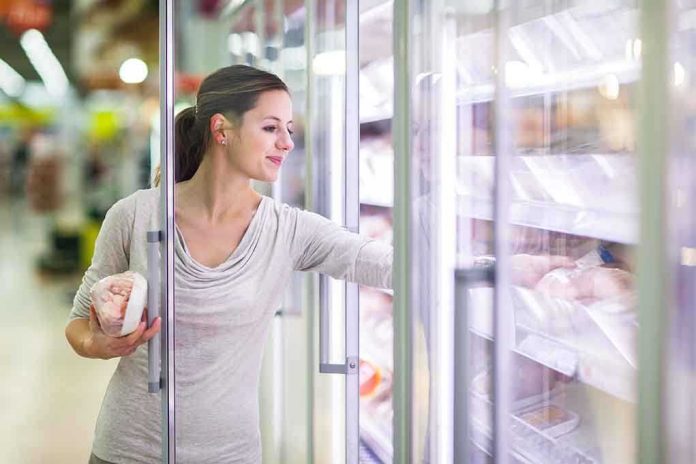
Frozen food isn’t just a backup plan—it’s a money-saving powerhouse that can outsmart grocery inflation, transform meal planning, and slash waste, all from your own freezer.
Story Overview
- Frozen foods can dramatically reduce food waste and grocery bills without sacrificing quality or nutrition.
- Modern frozen options go far beyond unhealthy convenience foods, offering diverse, nutritious, and creative meal solutions.
- Smart shopping, label reading, and strategic meal planning are essential to maximizing frozen food savings.
- Frozen food helps you break free from seasonal price swings and lets you enjoy your favorite ingredients year-round.
The Freezer: Your Secret Weapon Against Rising Grocery Costs
American households face relentless swings in grocery prices and fresh food spoilage. Frozen food turns the tables, offering a way to stock up on essentials without worrying about expiration dates or fluctuating markets. Flash-freezing locks in nutrients, so those frozen berries or green beans in your freezer may actually offer more vitamins than their fresh counterparts that have spent days in transit or languishing on store shelves. Stocking your freezer lets you buy in bulk, score deals during sales, and avoid last-minute takeout runs that drain your budget. Each bag of frozen produce or protein represents a strategic move to stretch your grocery dollar further, meal after meal.
Frozen food doesn’t just preserve your ingredients—it preserves your peace of mind. Instead of feeling pressure to use up fresh spinach before it wilts or berries before they mold, you enjoy the freedom to cook what you want, when you want. This flexibility pays off, especially for busy families or anyone managing unpredictable schedules. The ability to portion out exactly what you need from a bag of frozen chicken breasts or vegetables means you waste less and save more. Over time, these small savings add up, making frozen food a quiet but powerful force in your financial toolkit.
Modern Frozen Foods: More Than TV Dinners and Pizza
Gone are the days when frozen food meant mystery meat and soggy vegetables. Today’s freezer aisles feature everything from individually wrapped portions of wild-caught fish to frozen acai berry packets for smoothie bowls. Specialty items open doors to global flavors and nutrient-dense options that can be prepared quickly without sacrificing taste. Even traditional favorites like frozen pizza have improved, and food bloggers offer hacks to turn a basic pie into a gourmet meal. The diversity now available makes it possible to satisfy adventurous palates and accommodate special diets—all while keeping costs low and prep time minimal.
Frozen foods also support portion control and time management. Single-serve proteins and pre-cut vegetable blends help you avoid overbuying and underusing fresh ingredients. With less impulse buying and more intention, you minimize not just waste but also the stress of what’s for dinner. The freezer becomes a source of inspiration rather than a graveyard for forgotten leftovers.
Smart Shopping and Creative Cooking: The Frozen Food Advantage
Grocery store strategy makes all the difference when it comes to saving with frozen foods. Generic and store brands often come from the same facilities as big-name labels, but at a fraction of the price. Reading labels closely can reveal hidden gems with identical ingredients and quality. Shopping during sales—especially March’s National Frozen Food Month—lets you stock up when prices are at their lowest. For bulk buyers, a vacuum sealer extends freezer life and preserves quality, while smaller households can opt for individually wrapped portions to avoid waste.
Meal planning unlocks even greater savings. Swapping out fresh for frozen in recipes can stretch a week’s meal plan with minimal sacrifice. Freezing leftover herbs in olive oil or assembling pre-portioned smoothie packs ensures you always have flavorful ingredients ready. The creativity doesn’t stop there. Frozen vegetables can be added to creamy sauces, tossed into stir-fries, or baked into casseroles for quick, satisfying dinners. Food blogs, cookbooks, and social media offer endless inspiration for turning humble frozen ingredients into crave-worthy dishes.
Frozen Food Myths, Facts, and the Legacy of Clarence Birdseye
Frozen foods have outgrown their reputation as bland or unhealthy. Many are now picked and flash-frozen at peak ripeness, sometimes boasting higher nutritional value than fresh items exposed to light, air, and time. The roots of this modern freezer revolution trace back to Clarence Birdseye, who learned preservation techniques from the Inuit and applied them to create a method that would forever change how Americans eat and save. His innovations made it possible for families to enjoy out-of-season flavors year-round—without breaking the bank or settling for less.
National Frozen Food Month offers a reminder to rethink your grocery habits. Try new ingredients, experiment with recipes, and take advantage of the cost savings frozen foods bring. Each trip to the freezer is a step toward better budgeting and less waste—proof that when it comes to stretching your dollar, the coldest place in your kitchen may just be the smartest.
Sources:
Food Drink Life – How To Save Money With Frozen Food
Dizzy Busy and Hungry – How To Save Money With Frozen Food
Dizzy Busy and Hungry – Frozen Pizza Hacks
Midlife Healthy Living – Creamy Vegetable Tortellini