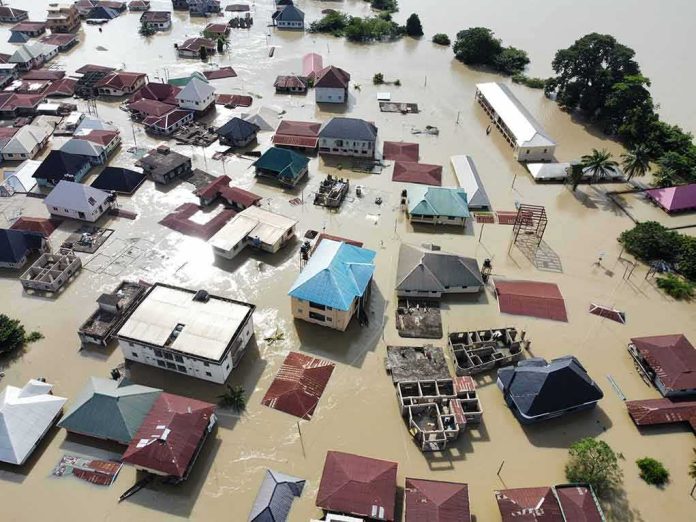
Around 12:30 in the morning on Wednesday, September 16, floodwater came through a wash near Newcomb, New Mexico, on the Navajo Nation, and took three people with it. Navajo Nation police found two adults and one child; all three were pronounced dead at the scene. By Wednesday afternoon the same storm system was dropping more than a month’s worth of rain in a few hours on communities north of Phoenix, and forecasters were warning that the worst of the water had not arrived yet.
Where This Stands Right Now
- Three dead near Newcomb, New Mexico, after overnight flash flooding; police have withheld names to protect the families.
- A rare tropical disturbance moving north from the Gulf of California supercharged the monsoon over Arizona and New Mexico.
- North of Phoenix, some areas got more than a month of rain in a few hours Wednesday afternoon.
- Flood watches and warnings stayed up across both states into the evening; water keeps moving downstream after the rain stops.
What Happened In The Dark
Navajo Nation police said officers responded around 12:30 a.m. near Newcomb, in northwest New Mexico, where floodwaters had washed away three people. First responders found two adults and one juvenile. Officials declined to release more, citing the families’ privacy. Desert washes that are bone dry at sunset can run chest-deep within minutes once a storm cell sits over the right canyon, and at half past midnight there is no light to see it coming.
The setup was unusual. Meteorologists said a tropical disturbance pushed north from the Gulf of California and fed deep moisture into the seasonal monsoon, which already brings daily storms this time of year. The extra moisture let storms grow taller and dump rain faster. It did not take a named hurricane to do this; it took tropical humidity pooling over mountains and canyons that shed water instead of absorbing it.
A Month Of Rain Before Dinner
By Wednesday afternoon the threat had moved into Arizona. Forecasters reported that communities north of Phoenix took more than a month’s worth of rain in only a few hours. Emergency managers warned drivers away from flooded dips and low-water crossings, the places where most flood deaths happen. Weather.com said Arizona could see “considerable to life-threatening” flash flooding into the early evening, especially where the ground was already saturated from earlier storms and where new cells kept forming over the same spots.
The danger does not end when the rain does. Runoff from the high ground keeps arriving downstream for hours, which is why people well away from any storm can be hit by a wall of water under a clear sky. Slot canyons, small creeks and old burn scars are the worst places to be. Officials told residents to keep phone alerts on overnight, move to higher ground when storms approach, and never drive into water on a road.
Why The Southwest Keeps Losing People This Way
Research on the North American monsoon finds it drives most of the region’s warm-season flash-flood deaths and damage, and that the deadliest events come from a stack of ingredients arriving together: a tropical moisture surge, mountain lift, storm boundaries that focus the rain, and hard-crusted soil that turns rainfall straight into runoff. This week had all four. The National Weather Service’s advice is blunt because the margins are: turn around, don’t drown; stay out of washes when storms are forecast; have an alert that can wake you at night.
Sources:
nypost.com, weather.com, abc17news.com, nytimes.com