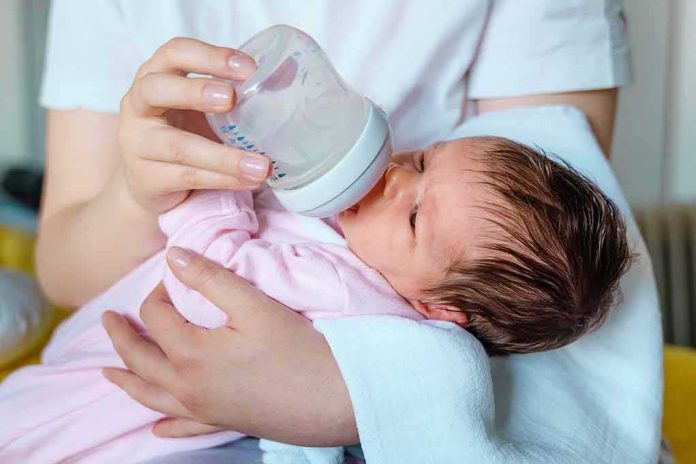
The Trump administration is drafting a policy to let married families with a stay-at-home parent collect federal child-care aid, shifting money toward care in the home.
Story Snapshot
- The draft would let some married families redirect child-care subsidies to in-home parental care.
- The White House says the move expands choice and supports stay-at-home parents.
- Advocates warn center-based care remains costly and needs stable funding.
- The plan sits in a long fight over whether aid should reward work or support any type of care.
What the administration is preparing
People familiar with internal talks say the administration is moving to allow married couples with a stay-at-home spouse to receive child-care subsidies. The plan would tap funds historically aimed at working parents using paid care. Vice President JD Vance has championed the concept, which would mark a notable shift in how federal support treats in-home parental care. Health and Human Services guidance already reminds states they can support children cared for in their own homes under existing welfare law.
Trump Admin Drafts Policy to Let Married Stay-at-Home Parents Collect Child-Care Aid Instead of Paying Strangers to Raise Their Kids https://t.co/P9gkxDw3Xt #gatewaypundit via @gatewaypundit
— Vote RED! (@PetsRescues) September 6, 2026
In May, the White House said its family package would “expand provider choice” and “better empower stay-at-home parents.” The announcement tied the direction to broader efforts to lower costs for families and simplify access. Supporters inside the administration frame this as removing bias against married households that choose to have a parent at home with young children. A policy write-up from a right-leaning outlet likewise described plans to back stay-at-home parents through guidance changes.
How this departs from past practice
Federal child-care aid has long worked as a job support. Programs and tax benefits often require paid care while a parent works or trains. That setup tends to favor dual-earner families and those using formal providers. Analysts from the Urban Institute and Tax Policy Center note that major tools, like the Child and Dependent Care Tax Credit, mainly offset paid care costs for working parents, leaving many in-home caregivers without help. This draft would push policy toward neutrality between home and center care.
The guidance thread runs through Temporary Assistance for Needy Families. Health and Human Services’ Office of Family Assistance has stated that states have broad flexibility to support children in their own homes and promote two-parent family stability. By clarifying that states can treat in-home parental care as a supported option, federal officials could let funds meet families where they are, rather than steering them only to licensed centers. That could change how states design eligibility and work rules for married couples.
Who could benefit and who worries
Backers argue that low-income married families often face a harsh choice. One parent works to qualify for help, while the other’s unpaid care gets no support. Allowing aid to flow to the home could ease strain when wages barely cover care. Conservative policy writers have long said current rules punish one-earner households and ignore unpaid care’s value. The administration’s framing suggests a fix for that tilt without cutting off center-based options.
Child-care advocates raise different alarms. They say high-quality center care costs more than families can bear and still relies on low wages for staff. They warn that pulling funds away from providers could worsen access, raise waitlists, or slow quality gains. They want sustained public investment in licensed settings to protect standards and keep classrooms open for working parents who need reliable hours. Their case rests on supply, quality, and workforce stability in a fragile sector.
Budget trade-offs and implementation questions
Any shift will force choices. Dollars sent to homes will not pay a center bill. States could try to balance both, but the size of the pot limits how far funds can stretch. The administration can change guidance, but Congress controls authorizations and appropriations for major programs. The White House has also promoted reworking child-care laws, which could formalize changes and set guardrails. Until a final rule or law appears, timing, eligibility, and dollar amounts remain uncertain.
The deeper issue spans the political divide: families feel the system ignores their reality. Many parents say they do not want government to push them toward one lifestyle. Others say they cannot work without stable, licensed care nearby. The coming proposal tests whether federal aid can be neutral about who provides care, while still keeping enough seats in centers. That balance will determine if this change helps more families or shifts strain from one group to another.
Sources:
thegatewaypundit.com, nytimes.com, hhs.gov, dailysignal.com, nwlc.org, cosm.aei.org, childcarecanada.org, cdss.ca.gov, economics.yale.edu