Rare childhood cancer cases in Ladera Ranch have pushed federal and local officials to look again at a community that is now demanding answers.
Quick Take
- Residents and reporters have linked multiple pediatric Ewing sarcoma cases in Ladera Ranch to possible environmental exposure.
- First Assistant United States Attorney Bill Essayli asked the Environmental Protection Agency to investigate the reports.
- Local families say public records show heavy pesticide and herbicide use in the neighborhood.
- Health officials say the cases have not yet been confirmed as a cancer cluster and no cause has been proven.
Federal Probe Request Raises the Stakes
First Assistant United States Attorney Bill Essayli asked the Environmental Protection Agency to investigate the Ladera Ranch cases after families reported several children with a rare cancer. The request followed reporting that centered on Ewing sarcoma, a rare bone and soft tissue cancer, and the growing concern that the number of cases in one community may be unusual. That federal step gave the local dispute new weight and made the issue harder for officials to brush aside.
Residents say the concern did not start with the federal letter. It grew from a string of family reports, including claims that as many as nine children in the area were diagnosed with Ewing sarcoma since 2007. One mother, Megan Matteson, also asked neighbors to share cancer diagnoses, which produced dozens of replies in a short time. Those posts increased public pressure, but they did not prove a pattern on their own.
What Residents Say They Found
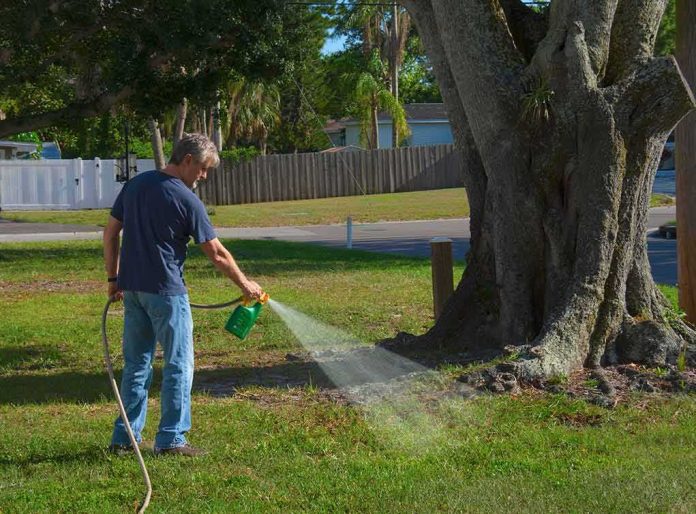
Local families and their attorneys say public pesticide records raise questions about the neighborhood environment. One resident review found 17 different pesticides and herbicides used in June alone, with spraying described as almost daily. Families say that volume feels unusual and deserves a closer look. They also argue that residents should be able to see exactly what is being sprayed, when it is sprayed, and where it is used.
At the same time, the record remains incomplete. Orange County health officials said an initial review of cancer data did not find a particular pattern, and they said it was not yet determined that a cancer cluster exists. The California Cancer Registry has also begun reviewing the reports after resident complaints. Those reviews matter because cancer cluster claims often depend on careful statistical testing, not just a count of cases that feels alarming to neighbors.
Why Officials Are Moving Carefully
The bigger scientific question is whether the Ladera Ranch reports point to a real cluster or to a tragic but scattered set of cases. According to reporting on the community, the cases are spread across three neighborhoods with a combined population of about 80,000, which makes visual clustering less clear. Officials and cancer experts have also said that environmental causes are hard to prove in community cluster cases, and that many citizen reports never lead to a confirmed cause.
As More Cases of Rare Cancer in Children from California Town Are Reported, Parents Say ‘This Is Not Random’
Parents in Ladera Ranch are concerned about pesticide use, which they question is the cause of a cluster of rare cancers in children.
— Mavis 🌺 (@MauvisSongBird) July 18, 2026
That caution does not erase public frustration. Families on both the left and the right often share the same basic complaint in cases like this: government moves slowly, answers arrive late, and ordinary people are left to sort through medical fear without enough data. Ladera Ranch now sits in that uncomfortable space, where health agencies, lawyers, and residents are all watching the same facts but drawing different lessons from them.
What Happens Next
The next phase will depend on whether the Environmental Protection Agency accepts the request and how deeply it examines possible environmental factors. It will also depend on whether the California Cancer Registry and local health officials can turn resident reports into verified data. Until then, the community is left with a troubling mix of fear, records requests, and unanswered questions. For families facing rare childhood cancer, that delay is not an abstract policy issue. It is personal and immediate.
Sources:
thegatewaypundit.com, ourcancerstories.com, vinnews.com, nbclosangeles.com, acsh.org