As Japanese World Cup fans quietly cleaned an American stadium, cable shows turned the moment into another culture war, missing the deeper warning for a country already worried its leaders and crowds are losing basic self-respect.
Story Snapshot
- Japanese fans again stunned viewers by cleaning the stands after World Cup matches in Qatar and now in Texas.
- The cleanup tradition comes from Japanese school life and a strong norm against causing trouble for others.
- Media and social posts are using the videos to shame other fans, including Americans and New Yorkers, without solid evidence.
- The real story is how simple acts of respect highlight America’s deeper frustration with disorder, double standards, and a detached elite.
Japanese fans keep cleaning, from France 1998 to Texas 2026
Japanese soccer fans have built a long record of cleaning stadiums after games, starting with their first World Cup in France in 1998.[1] Since then, cameras have caught them doing the same thing at World Cups in Brazil, Russia, Qatar, and now at matches in the United States.[1] In Qatar, fans paused their celebration after Japan’s 2–1 win over Germany to tidy the seating area at Khalifa International Stadium before leaving.[1] They even cleaned during the tournament opener between Qatar and Ecuador, when Japan was not playing at all.[1]
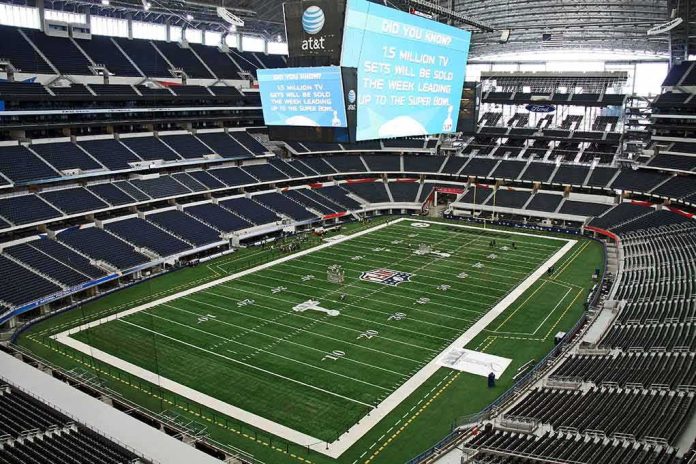
That same pattern showed up again in Texas. Local Dallas news filmed Japanese supporters staying after a 2–2 draw with the Netherlands at the World Cup match in the Dallas stadium and filling several bags with trash from the stands.[3] The reporter on site said this was not a stunt, but a continuation of what they had already become known for at past tournaments.[3] Social videos and clips from news outlets repeat the same scene: blue jerseys, blue trash bags, and fans working together in a calm, organized way.[2]
Why they do it: “Do not cause trouble” and clean it like your classroom
Japanese culture teaches from a young age that you do not leave a mess for someone else to deal with.[2] One key idea is called “meiwaku,” which means you should not cause trouble or extra work for others.[2] In many Japanese schools, children clean their own classrooms, hallways, and common areas every day instead of having outside janitors do it.[2] A sociologist told reporters that, over time, these daily chores turn into habits that carry into adult life and public events.[1]
Another phrase often quoted to explain this mindset is “Tatsu tori ato wo nigosazu,” which literally means “A bird leaves nothing behind.”[1] The deeper meaning is simple: leave a place the way you found it, or better.[1] Experts say cleaning the stadium is not just about trash; it is a way fans show pride in their way of life and share that with the rest of the world.[1] Some also note that this tradition is more closely tied to soccer than other sports in Japan, which helps explain why it shows up so strongly at World Cups.[2]
How American media turned a cleanup into a culture-war mirror
United States outlets and social media accounts jumped on the Dallas cleanup video, praising the Japanese fans and calling them the “cleanest fans in football” or saying they had “shamed” other supporters.[4] A local television piece showed not only the fans filling bags but also a Fox crew member who was so moved that he joined them, still wearing his team gear.[3] Comments on international clips compared Japanese fans with British and other supporters, sometimes in harsh or mocking ways.[4]
Some political sites went further and contrasted Japanese fans with what they called “New York City rioters” during recent National Basketball Association Finals celebrations, framing it as “Japanese guests clean America, New Yorkers trash it.” That jump makes for a punchy headline, but the research at hand does not include police reports, city cleanup data, or verified footage about New York celebrations to back up that side of the comparison.[2] The evidence we do have is strong on Japanese behavior, but thin to nonexistent on how New Yorkers or other American crowds acted in the specific events being criticized.
What this moment exposes about American frustration with order and elites
For many Americans on both the right and the left, the viral cleanup clips hit a nerve because they point to something they feel is missing at home: basic order, shared standards, and consequences that apply to everyone. Conservatives see streets, subways, and stadiums left dirty while leaders talk about climate goals and “equity.” Liberals see growing inequality, corporate power, and public spaces that feel neglected while elites seem insulated from the decay. Both sides sense that the people on top are playing by different rules.
Japanese Fans Earn Global Praise After Cleaning Dallas Stadium Following 2–2 Draw With Netherlands
Japanese football fans once again captured the admiration of the world after their team's thrilling 2–2 draw against the Netherlands at Dallas Stadium on June 14, 2026.
While many… pic.twitter.com/2PZmOOLEr7— torchlightnews (@torchlightnews_) June 15, 2026
That is why a few dozen visiting fans with trash bags can spark such a strong reaction. Their simple, quiet act throws a spotlight on how low our expectations have become for crowds, cities, and officials who are supposed to manage them. Yet the danger is that media figures use Japanese fans as a prop to score points against “New Yorkers” or any other group, instead of asking why our own institutions have failed to build similar habits of respect. The real lesson is not that Japan is perfect and America is broken. It is that character and culture are built on daily practice, not talking points.
Sources:
[1] Web – Japanese World Cup Fans Showed Respect for America. New Yorkers Showed …
[2] Web – World Cup 2026: Why do Japan fans clean up the stadium?
[3] Web – Why you may see Japanese soccer fans cleaning up the …
[4] YouTube – Japanese fans clean up after World Cup match in Dallas …