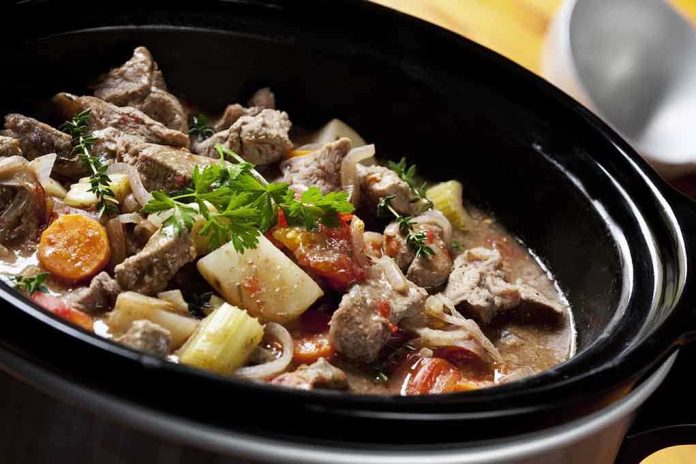
A new culinary trend is transforming kitchen waste into gourmet gold, as vegetable scraps become the unlikely hero in creating nutrient-rich soup stocks.
Story Overview
- Vegetable scraps are now recognized as a culinary asset for flavorful soups.
- Home cooks and chefs alike embrace zero-waste practices.
- Significant environmental and economic benefits noted.
- Trend supports sustainable cooking and reduced grocery bills.
Vegetable Scraps: The New Culinary Gold
In a world increasingly conscious of sustainability, vegetable scraps are emerging as an unexpected treasure. Onion skins, carrot peels, and celery leaves—once discarded without a second thought—are being repurposed as key ingredients in creating deeply flavorful and nutrient-rich soup stocks. This shift not only reduces food waste but also enhances culinary creativity, aligning with the zero-waste movements that have gained momentum over the years.
The rise of this trend can be traced back to the early 2000s, when awareness about food waste began to grow. By the 2010s, zero-waste cooking movements had gained traction, supported by increased media coverage and social media advocacy. Today, from home kitchens to gourmet restaurants, the practice of using scrap-based stocks has become mainstream, with chefs and home cooks alike championing this sustainable approach.
The Environmental and Economic Impact
The adoption of vegetable scraps in cooking has significant environmental and economic implications. By reducing the amount of waste sent to landfills, this practice lowers methane emissions, contributing to climate change mitigation efforts. Economic benefits are also evident, as households experience decreased grocery bills and waste disposal costs. As the trend grows, it supports broader food industry shifts towards sustainability, influencing packaging and product designs in favor of whole-vegetable use.
Environmental organizations and nutritionists have also highlighted the health benefits of these homemade stocks, which are often lower in sodium and free from additives compared to their store-bought counterparts. The nutritional value of peels, stems, and leaves further enhances the appeal, contributing to more nutrient-dense diets and improved public health.
Expert Endorsements and Consumer Adoption
Leading chefs, food writers, and nutritionists endorse the use of vegetable scraps, praising the depth of flavor and versatility they bring to culinary creations. Public endorsements and educational campaigns by sustainability organizations continue to drive consumer interest and adoption. While some experts caution against the use of spoiled or overly bitter scraps, the consensus is clear: when used correctly, vegetable scraps provide a flavorful, cost-effective, and environmentally friendly solution to food waste.
As the practice becomes more widespread, the positive effects on both households and the environment are undeniable. With a growing number of resources available, from online recipes to sustainability workshops, the message is clear: it’s time to stop wasting what could be the secret to your next great meal.
Sources:
Wait, Don’t Throw Those Veggie Scraps Out
5 Smart Ways to Use Vegetable Scraps in Cooking
Benefits of Making Your Own Vegetable Broth