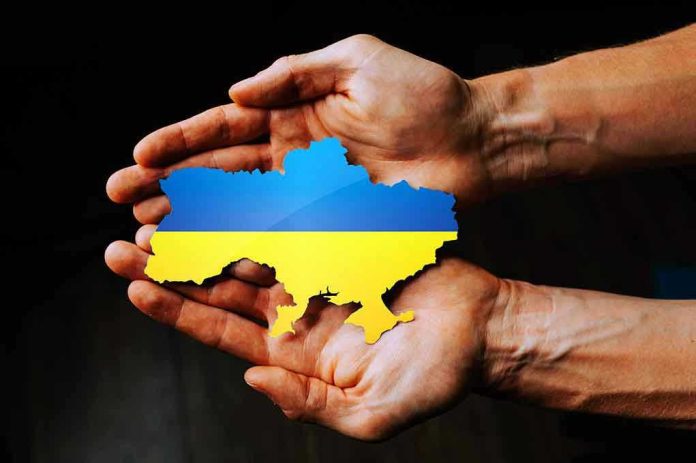
In a staggering move, Russia hands over 1,000 bodies of Ukrainian soldiers in a chilling reminder of the ongoing toll of war.
At a Glance
- Russia transfers 1,000 bodies of Ukrainian soldiers to Ukraine.
- The exchange was part of the Istanbul agreement between the two countries.
- Ukraine returns only 19 bodies to Russia, highlighting the asymmetry of the conflict.
- The exchange reflects ongoing humanitarian efforts amidst stalled peace talks.
The Grim Exchange of Bodies
The humanitarian aspect of the Russia-Ukraine conflict takes a grim turn as Russia hands over 1,000 bodies of Ukrainian soldiers. This exchange, part of the Istanbul agreement, is a stark reminder of the human cost of this prolonged conflict. The deal was initially reached on June 2, 2025, and aimed to repatriate around 6,000 Ukrainian bodies, completed in phases. Despite this humanitarian effort, the war continues unabated, with both sides showing no signs of reaching a ceasefire.
Ukraine’s commitment to bringing home its fallen soldiers is unwavering, but the discrepancy in the number of bodies exchanged is striking. Ukraine returned only 19 bodies to Russia, a figure that underscores the asymmetrical nature of this conflict. This disproportionate exchange highlights the intensity of the fighting and the heavy toll it has taken on Ukrainian forces.
The Istanbul Agreement: A Rare Moment of Cooperation
The Istanbul agreement, forged in the midst of failed peace talks, marks a rare moment of cooperation between the two warring nations. While political breakthroughs remain elusive, these humanitarian agreements offer a glimmer of hope in an otherwise bleak situation. The exchanges have become critical for maintaining a minimal level of communication between Russia and Ukraine, even as broader diplomatic relations remain fraught.
The agreement followed two rounds of peace talks in May and June 2025, which, despite failing to produce a ceasefire, resulted in this significant humanitarian gesture. These exchanges are essential in addressing the needs of grieving families and demonstrate a commitment to humanity amid the horrors of war.
Impact and Implications
The immediate impact of this exchange is the closure it brings to the families of the deceased. For Ukraine, it boosts morale and reaffirms the government’s dedication to its soldiers. However, this exchange also highlights the ongoing cost of the conflict and the lack of progress toward a peaceful resolution. While these gestures are crucial, they do not address the underlying issues fueling this war.
In the long term, these exchanges set a precedent for future humanitarian agreements. They may influence public opinion and political dynamics in both Russia and Ukraine, particularly concerning the treatment of prisoners of war and war casualties. Despite the ongoing hostilities, these efforts might eventually lay the groundwork for more substantive negotiations if political conditions evolve.