The first high-level US-Iran negotiations since 1979 begin in Islamabad under a fragile ceasefire deadline, with Vice President JD Vance leading a team tasked with preventing a war that has already claimed 2,000 lives and threatens global energy markets.
Story Snapshot
- High-stakes indirect talks start April 11 at Islamabad’s Serena Hotel, mediated by Pakistan, with a two-week ceasefire expiring April 22
- US delegation led by VP JD Vance demands no uranium enrichment and proxy dismantlement; Iran seeks sanctions relief, frozen asset release, and Strait of Hormuz control
- Recent 40-day conflict killed 2,000 people and disrupted 20% of global oil shipping through the Strait of Hormuz
- Iran accuses US of violating commitments before talks even begin, highlighting deep mistrust between nations
- Talks represent critical test for Trump administration’s hardline Middle East policy amid broader frustration with government’s ability to manage foreign crises
Historic Talks Follow Deadly Conflict
Vice President JD Vance arrives in Pakistan leading the highest-level US delegation to directly engage Iran since the 1979 revolution. The negotiations, scheduled to begin April 11 at Islamabad’s Serena Hotel, follow a 40-day war that killed approximately 2,000 people and created a global shipping crisis through the Strait of Hormuz. Pakistani Prime Minister Shehbaz Sharif brokered the temporary two-week ceasefire now in its third day, providing a narrow window for diplomacy before hostilities potentially resume. The indirect format reflects decades of mistrust, with Pakistani Foreign Minister Ishaq Dar shuttling between separate rooms rather than allowing face-to-face discussions.
Competing Proposals Reveal Deep Divisions
Iran presented a 10-point plan demanding control over the Strait of Hormuz, complete US withdrawal from the region, comprehensive sanctions relief, and release of tens of billions in frozen assets. The Trump administration flatly rejected this proposal, countering with a 15-point plan that establishes uranium enrichment as an absolute red line. President Trump’s directive is unambiguous: “No enrichment, full stop.” The US counterproposal requires Iran to surrender existing enriched uranium, dismantle ballistic missile programs, terminate support for regional proxies including Hezbollah and Hamas, and reopen the Strait of Hormuz to international shipping. These divergent positions highlight the challenge facing negotiators working against an April 22 deadline.
Economic and Strategic Stakes
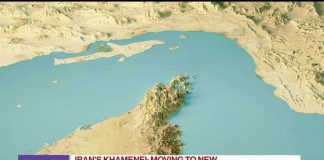
The Strait of Hormuz crisis during the recent conflict demonstrated the vulnerability of global energy markets, with approximately 20 percent of the world’s oil passing through this critical chokepoint. Iranian disruptions caused price spikes that affected American consumers already struggling with inflation resulting from years of fiscal mismanagement. Sanctions relief could inject tens of billions into Iran’s economy, raising concerns among conservatives about funding the same regime that supports terrorist organizations throughout the Middle East. The Trump administration’s approach prioritizes American energy security and regional stability over accommodation with a government that has repeatedly demonstrated hostility toward US interests and allies.
Questions About Government Competence
The collapse of February’s Geneva talks over uranium enrichment disputes preceded the 40-day war, raising serious questions about diplomatic competence. Many Americans across the political spectrum wonder why negotiations failed so catastrophically that armed conflict became inevitable, costing thousands of lives. Iranian official Mohammad Bagher Ghalibaf’s accusation that “US violated commitments even before negotiations” began underscores the credibility problems plaguing these talks. The indirect negotiating format through Pakistani intermediaries reflects a lack of trust that has persisted for nearly five decades. For citizens frustrated with government dysfunction, this high-stakes diplomatic gamble represents another test of whether elected officials can successfully navigate complex international challenges or whether bureaucratic incompetence will again prevail over practical problem-solving.
Five things to know about the US-Iran talks in Islamabadhttps://t.co/YBXflVbDnD
— Insider Paper (@TheInsiderPaper) April 10, 2026
The unique involvement of Special Envoy Steve Witkoff and advisor Jared Kushner, President Trump’s son-in-law, signals the administration’s commitment to applying business-oriented negotiating principles to longstanding geopolitical disputes. Whether this approach succeeds in achieving what traditional diplomacy has failed to accomplish for decades remains uncertain. The ceasefire clock is ticking, and the consequences of failure extend far beyond the immediate region to affect American families paying higher prices at the pump and facing an increasingly unstable global order.
Sources:
US-Iran talks in Islamabad: What we know – The National News
Attempt to prevent war: Historic US-Iran talks in Pakistan – Ratopati English
US-Iran talks in Islamabad – Dawn