An FBI-only investigation into the fatal shooting of Renee Good raises concerns about transparency and federal overreach.
Story Overview
- Renee Good, a Minneapolis mother, was fatally shot by an ICE agent during an operation.
- The FBI has taken sole control of the investigation, excluding state participation.
- The Trump administration quickly characterized Good as a “domestic terrorist.”
- State officials in Minnesota are pushing for an independent probe and transparency.
Federal Control Sparks Debate
On January 7, 2026, an ICE agent shot and killed Renee Good in Minneapolis, sparking a contentious debate over federal and state investigative roles. The federal government, led by the FBI, has taken exclusive control of the investigation, sidelining state authorities like the Minnesota Bureau of Criminal Apprehension (BCA). This has raised significant concerns about transparency and accountability, with state officials questioning the fairness of an FBI-led inquiry.
The decision to exclude the BCA, after initially planning a joint investigation, has been met with criticism from Minnesota’s leaders. Hennepin County Attorney Mary Moriarty and Attorney General Keith Ellison have initiated independent evidence-gathering efforts, emphasizing the need for transparency. The exclusion of state voices has only deepened the rift between the Trump administration and Minnesota officials, who demand a more balanced investigative approach.
Political Rhetoric and Public Reaction
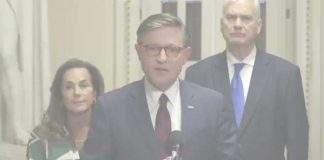
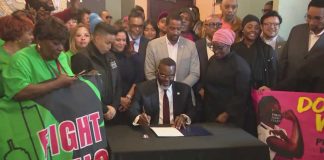
President Trump and DHS Secretary Kristi Noem have publicly defended the ICE agent’s actions, labeling Good a “domestic terrorist.” This premature judgment has drawn sharp criticism from local leaders who argue that such rhetoric undermines the integrity of the investigation. Mayor Jacob Frey has openly questioned the federal narrative, while community activists in Minneapolis have rallied for justice and accountability.
The tension is exacerbated by the Trump administration’s strong law-and-order stance, which prioritizes federal control and aggressive immigration enforcement. This incident feeds into broader national discussions on federal agents’ use of force and the need for independent oversight.
Implications for Future Investigations
The exclusion of state authorities sets a concerning precedent for future investigations involving federal agents. If the FBI-only model persists, it could marginalize state oversight and erode public trust in the investigative process. Minnesota’s pushback highlights the need for a more transparent and collaborative approach. The ongoing public discourse, fueled by civil rights advocates and media coverage, may influence future policy and ensure that state voices are not sidelined in critical investigations.
The case underscores the importance of maintaining checks and balances in law enforcement inquiries, particularly when federal agencies are involved. As the investigation unfolds, the demand for accountability and transparency will likely intensify, shaping the future of investigative protocols in similar high-stakes situations.
Sources:
Frictions over investigations emerge after ICE agent fatally shoots Minneapolis woman
Federal law enforcement community seeks more patience in response to ICE shooting
Minnesota, feds face deepening rift over ICE shooting