The battle over Wyoming’s proof-of-citizenship law for voter registration has taken a decisive turn, leaving the left’s legal crusader, Marc Elias, facing a formidable defeat.
At a Glance
- A federal judge dismissed the lawsuit against Wyoming’s proof-of-citizenship law.
- Marc Elias, representing the Equality State Policy Center, failed to block the law.
- This ruling is a significant win for election integrity advocates.
- The decision could influence similar legislative efforts nationwide.
Wyoming’s Voter Registration Law Upheld
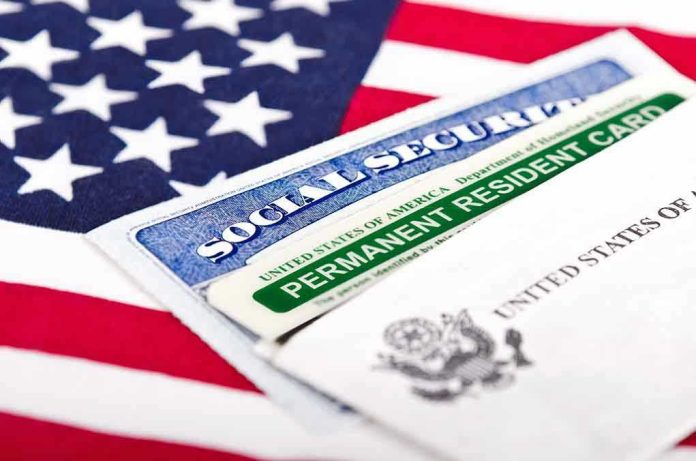
Wyoming’s House Bill 156, requiring proof of U.S. citizenship and residency for voter registration, faced a legal challenge spearheaded by the notorious Marc Elias and his law firm. This law, championed by Secretary of State Chuck Gray, aims to fortify election integrity—something we all know the left has a real problem with. The lawsuit argued that the law would disenfranchise eligible voters unable to provide the required documentation. However, U.S. District Judge Scott Skavdahl dismissed these claims, upholding the law and delivering a much-needed win for common sense.
The dismissal of this lawsuit is a crucial victory for those of us tired of seeing our election systems weakened by those who would rather pander to illegal voters than uphold the law. The ruling means that the proof-of-citizenship requirement will remain in place, potentially impacting voter registration as we head into the next election cycle. It’s a win for those who value the integrity of our elections over the left’s relentless push to erode it.
The Players Behind the Lawsuit
Marc Elias, the so-called defender of voting rights, was at the forefront of this challenge. Representing the Equality State Policy Center, Elias and his firm have been involved in numerous lawsuits across the country, opposing what they term “restrictive” voting laws. But let’s call it what it is—a blatant attempt to open the floodgates for voter fraud. On the other side, Wyoming Secretary of State Chuck Gray stood firm, supported by the Trump administration and the Republican National Committee, all committed to protecting the sanctity of the vote. The Wyoming Freedom Caucus, another staunch supporter of the law, played its part in ensuring this ruling came to pass.
The case was a microcosm of the national debate over election security, with the usual suspects trying to dismantle any semblance of order in our voting processes. This time, the law held its ground, thanks to the determination of those who refuse to let our voting system be compromised.
The Implications of the Ruling
The ruling not only keeps Wyoming’s law intact but also sets a precedent for other states considering similar measures. The court’s decision could discourage similar legal challenges, strengthening the resolve of states wishing to implement common-sense election laws. In the long run, it might influence national debates and legal strategies surrounding voting rights and election laws.
For potentially disenfranchised voters, as the plaintiffs claimed, the ruling might mean additional hurdles. However, the argument that proof-of-citizenship laws are a huge burden is just another scare tactic. The reality is, these laws are about ensuring that every vote cast is legitimate, and that should be a priority for anyone who cares about the integrity of our elections.
Sources:
Wyoming Secretary of State Press Release