A heated restaurant bill dispute in Florida turned deadly serious when 25-year-old Anthony Rodriguez pulled a silver handgun on staff, including a 16-year-old boy, before advanced facial recognition technology led to his eventual surrender to authorities.
Key Takeaways
- Anthony Rodriguez faces four counts of aggravated assault with a deadly weapon after brandishing a firearm at restaurant staff during a bill dispute at Fresh Guacamole Tequila & Bar in Ormond Beach, Florida.
- Restaurant management made the strategic decision to allow the group to leave without paying to de-escalate the dangerous confrontation.
- Police successfully identified Rodriguez using surveillance footage, photo lineups, and facial recognition technology, demonstrating the effectiveness of modern law enforcement tools.
- Rodriguez turned himself in after a wanted notice was posted on Facebook, highlighting the power of social media in law enforcement efforts.
- A separate incident in Orlando involved Daniel Robinson choking a police officer after refusing to pay a restaurant bill, indicating a concerning pattern of violent disputes in dining establishments.
Deadly Escalation Over a Restaurant Bill
What should have been a routine dining experience at Fresh Guacamole Tequila & Bar Mexican Grill in Ormond Beach, Florida, quickly devolved into a life-threatening situation when four patrons became disgruntled over their bill. The confrontation rapidly escalated beyond a typical customer service dispute when one of the patrons, later identified as 25-year-old Anthony Rodriguez, took the unconscionable step of drawing a firearm on the restaurant staff. Most alarmingly, among those threatened was a 16-year-old boy, the son of an employee, who found himself staring down the barrel of Rodriguez’s silver handgun.
Before the weapon was drawn, tensions had already reached a dangerous level. A woman from the dining party had aggressively circumvented the protective plexiglass barrier at the cashier station, physically confronting four employees including the teenage boy. When Rodriguez produced the weapon, the situation could have ended in tragedy. In a moment of relative clarity, the woman pushed the armed Rodriguez out of the establishment, and the group fled the scene without paying. Restaurant management made the prudent decision to allow the group to leave without settling their bill, prioritizing the safety of staff and other patrons over financial considerations.
Technology-Driven Law Enforcement Success
The perpetrators may have escaped the immediate consequences of their actions, but technology ensured justice would follow. Ormond Beach Police employed a sophisticated combination of surveillance footage analysis, traditional photo lineups, and cutting-edge facial recognition technology to identify Rodriguez as the suspect who had brandished the weapon. This successful identification demonstrates how modern technological tools are becoming increasingly vital in solving crimes and bringing dangerous individuals to justice, especially in cases where suspects flee the scene.
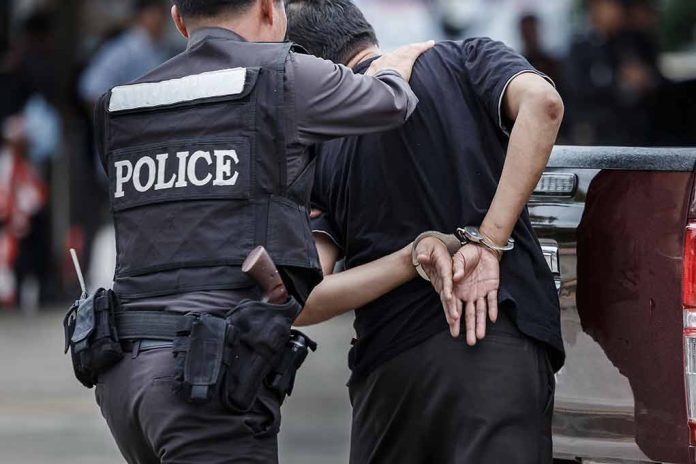
Once identified, law enforcement took their case to social media, posting a wanted notice for Rodriguez on Facebook. The public pressure campaign proved effective, as Rodriguez turned himself in to authorities on June 5. He now faces serious legal consequences, with a felony arrest warrant issued for four counts of aggravated assault with a deadly weapon. Despite the gravity of these charges, Rodriguez was released on a $30,000 bond, raising questions about bail procedures for violent offenses in Florida.
A Disturbing Pattern of Restaurant Confrontations
The Ormond Beach incident isn’t isolated. In a separate but equally troubling case in Orlando, a man named Daniel Robinson violently resisted arrest after refusing to pay a $50.50 restaurant bill. When confronted by law enforcement,Robinson escalated the situation to potentially lethal levels by choking a police officer. His actions resulted in multiple serious charges, including attempted homicide of a law enforcement officer. These incidents point to a concerning pattern of individuals willing to resort to extreme violence over relatively minor financial disputes in dining establishments.
The commonality between these cases highlights a disturbing trend of entitlement and aggression that puts service workers and law enforcement personnel at risk. Restaurant employees, already contending with challenging working conditions and modest compensation, now face the added threat of potentially violent confrontations over disputed bills. While the majority of customer interactions remain peaceful, these Florida incidents demonstrate how quickly ordinary disagreements can transform into dangerous situations requiring police intervention.
Balancing Safety and Service in the Hospitality Industry
These incidents raise important questions about safety protocols in the restaurant industry. The Ormond Beach establishment’s decision to allow the aggressive customers to leave without paying likely prevented a more tragic outcome. This approach, prioritizing human safety over financial loss, represents a pragmatic response to threatening situations. However, it also highlights the difficult position restaurant staff find themselves in when confronted with aggressive or violent patrons who dispute their bills.
For restaurant owners and managers, these cases underscore the importance of security measures such as surveillance systems, which proved crucial in identifying Rodriguez. They also emphasize the need for clear protocols on handling bill disputes and potentially violent situations. Staff training on de-escalation techniques and when to contact law enforcement could prove vital in preventing future incidents from reaching dangerous levels. As the hospitality industry continues to navigate post-pandemic challenges, ensuring the physical safety of both employees and customers must remain a top priority.