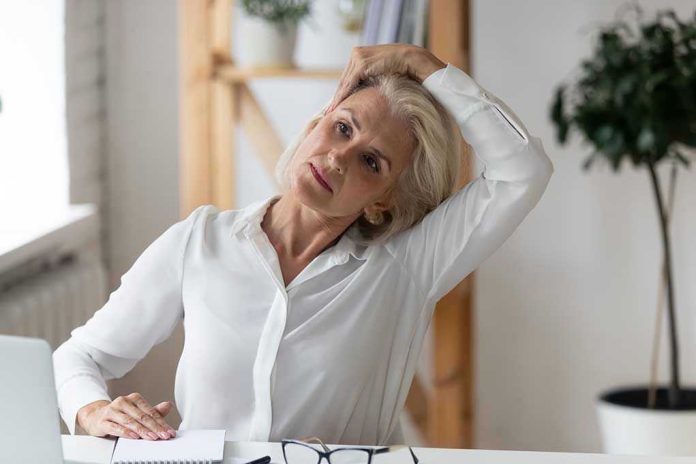
If a few minutes of stretching could break the curse of sleepless nights, would you trade your sheep-counting for a hamstring stretch? Science says you just might.
At a Glance
- Stretching and simple exercises offer modest but real improvements in sleep quality and insomnia severity.
- Yoga and tai chi, which blend movement and mindfulness, show even greater sleep benefits.
- Experts say stretching before bed is safest and most effective as part of a bigger sleep hygiene routine, not a miracle cure.
- Research finds stretching’s effects are small but can spare some folks from relying solely on sleeping pills.
Why Counting Sheep Lost Its Job to Simple Stretching
Insomnia is the unwanted houseguest of adulthood—always showing up, eating your snacks, and refusing to leave. About 12% of Americans know this visitor all too well, tossing and turning as the clock ticks toward dawn. For decades, the solution was sleeping pills, the pharmaceutical equivalent of a sledgehammer. Sure, they work, but the side effects, dependency, and even increased mortality risks are a steep price for a few hours of shut-eye. Enter stretching: no prescription, no next-day brain fog, and about as risky as an extra pillow.
Across centuries, stretching and gentle movement have been the bedtime rituals of yogis and tai chi masters, promising peace and tranquility. Only recently have Western researchers started to ask: can a series of pre-bed stretches really help the average insomniac? With the pandemic stoking sleep problems and screens keeping us wired at midnight, the question is more than academic—it’s downright urgent. Recent studies say yes, but with a caveat: if you’re hoping for a magic bullet, this one’s more of a foam dart. Let’s limber up and see just how far a good stretch can take us.
What the Latest Science Says About Stretching for Sleep
A 2024 scoping review pulled together the latest evidence: regular stretching routines improve sleep quality by 1.22% and cut insomnia severity by 6.51%. “Small but mighty” might be stretching it (pun intended), but for the sleep-deprived, every minute counts. Other research agrees: stretching and resistance exercise both help, but neither wins by a landslide. The real stars? Mind-body practices like yoga and tai chi, which combine stretching with slow breathing and mindfulness. These not only help lull you toward dreamland, but also chip away at the anxiety and tension that sabotage slumber. Still, scientists warn: results vary, and stretching alone probably won’t turn a night owl into a morning lark.
Health experts recommend weaving stretches into your nightly routine alongside old favorites like dimming the lights and shutting off screens. The best part? You don’t need to break a sweat. Simple moves—think neck rolls, hamstring stretches, or child’s pose—are enough to prime the body for rest. And unlike sleep aids, there’s no hangover, no prescription, and no awkward conversations with your pharmacist.
The Stakeholders and the Stakes: Who Gains from a Good Night’s Stretch?
On the front lines are the sleepless masses—middle-aged adults, older folks, and anyone who’s ever glared at their ceiling fan at 3 a.m. But the ripples go further. Doctors and dietitians now have a low-risk, side-effect-free tool to recommend before reaching for the prescription pad. The wellness industry, never one to miss a trend, is cashing in with guided bedtime stretching videos and apps promising “yoga for sleep.” Even policymakers are paying attention, with public health guidelines inching toward lifestyle remedies. Fewer pills mean lower healthcare costs and less grogginess at work the next day. And if your family is tired of your cranky mornings, they’ll thank you too.
Stretching isn’t a panacea, but it offers a rare win-win: a little better sleep, a little less reliance on meds, and maybe even a moment of calm before bed. Just don’t expect miracles—unless “miracle” means falling asleep before your audiobook narrator gets to Chapter Two.
Not All Stretches (or Sleepers) are Created Equal
Here’s where things get bendy: not everyone gets the same benefit from stretching. Some studies found improvements that didn’t quite hit “statistically significant” on the scientific scoreboard. Results were especially mixed for people with specific conditions like sleep bruxism or Parkinson’s. What’s more, researchers still don’t know the Goldilocks formula for bedtime stretching: how long, how hard, or how often. The best guess? Consistency is key, and pairing stretches with mindfulness or relaxation techniques seems to pack the biggest punch. As for the skeptics, even they agree: if stretching helps you wind down—and doesn’t keep you up obsessing over perfect form—there’s little downside to limbering up.
For now, stretching earns its place on the nightstand next to chamomile tea and “sleep stories.” It’s not the hero we wanted, but for many, it’s the gentle nudge toward better sleep we needed. And hey, if all else fails, at least you’ll be flexible enough to reach that glass of water at 2 a.m.
Sources:
Effects of resistance exercise training and stretching on chronic insomnia (2018)
A scoping review of the effect of chronic stretch training on sleep (2024)
Effects Of Resistance Exercise And Stretching On Sleep Of Patients With Chronic Insomnia (2018)
Stretching before bed: Benefits and stretches to try (2020)