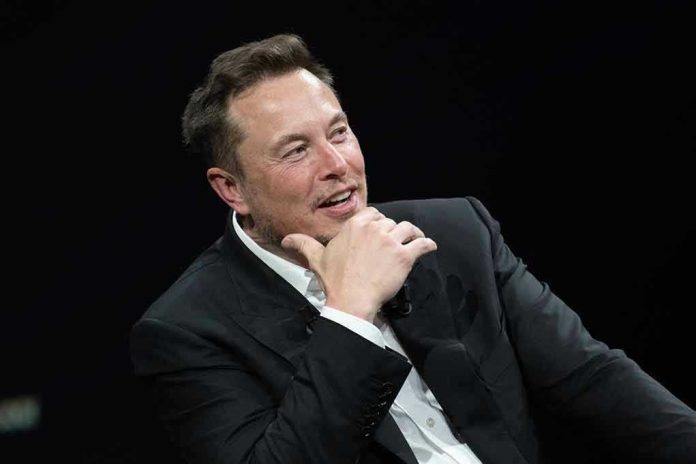
Elon Musk’s government efficiency team DOGE was abruptly disbanded ahead of schedule, exposing the risks and overreach of private-sector cost-cutting experiments in Washington at a time when constitutional protections, government accountability, and taxpayer interests are on the line.
Story Snapshot
- DOGE, Elon Musk’s cost-cutting team, was quietly shut down early after months of controversy and legal challenges.
- The project’s rapid workforce reductions and lack of oversight sparked bipartisan backlash and investigations.
- Congress and agency heads are now reviewing DOGE’s impact on federal operations and employee rights.
- Legal experts warn that the experiment undermined due process and could erode trust in public institutions.
Elon Musk’s DOGE Project: A Private-Sector Shakeup in Washington
Elon Musk launched the Department of Government Efficiency (DOGE) in June 2024, partnering with the White House to bring radical cost-cutting methods to federal agencies. The initiative deployed teams across departments, aiming to eliminate perceived waste and redundant positions through aggressive budget reductions.
While Musk’s private-sector experience promised swift results, DOGE’s rapid rollout left many public servants and agency leaders concerned about a lack of transparency and disregard for established processes. The project operated with minimal legislative oversight, relying mainly on executive orders and interagency agreements.
By October 2024, reports emerged of mass layoffs and internal resistance, as federal employees and unions pushed back against DOGE’s sweeping changes. Agency heads, including those from Defense and Treasury, voiced mixed reactions—some embraced the chance for reform, while others warned of operational disruptions and loss of institutional expertise.
Unions such as the American Federation of Government Employees (AFGE) and National Treasury Employees Union (NTEU) raised alarms about due process violations, arguing DOGE’s actions undermined job security and civil service protections. Legal and ethics experts cited conflicts of interest, questioning the legality of Musk’s influence over government operations.
Controversial Workforce Reductions and Legal Fallout
DOGE’s strategy prioritized immediate cost savings through rapid workforce reductions, leading to uncertainty and low morale among federal employees. The lack of clear oversight and the speed of implementation triggered bipartisan skepticism, especially from congressional committees tasked with government accountability.
When DOGE was disbanded in January 2025, its staff were reassigned and ongoing projects terminated. Congressional hearings soon followed to investigate the legality and effectiveness of Musk’s approach, with legal challenges continuing over the abrupt changes to personnel and agency structures. Some sources suggest the cost savings were overstated, while others argue the project’s real legacy is the erosion of trust in federal institutions.
The White House praised DOGE’s completion, thanking Musk and his team, but federal agencies have begun to reverse or review many of the changes. Critics maintain that Musk’s model ignored the complexities of public-sector governance, leading to operational disruptions and unintended consequences for taxpayers.
Management consultants and public administration experts agree that, although innovative, the project failed to respect established norms and protections that safeguard the integrity of government services.
Impact on Government Reform and Constitutional Principles
The abrupt end of DOGE underscores the dangers of unchecked executive authority and private-sector overreach in public institutions. Legal scholars warn that the project may have violated civil service protections and challenged the separation of powers, raising constitutional concerns for Americans who value limited government and due process.
The fallout includes political backlash, ongoing legal battles, and a chilling effect on future private-sector partnerships with government. Taxpayers, federal employees, and agency leaders are left grappling with the consequences of rapid, opaque restructuring and the risks of undermining traditional principles that uphold government accountability.
DOGE disbanded: Elon Musk’s Cost-Cutting Project Quietly Ended Ahead of Schedulehttps://t.co/S9jirkAxl9
— LakeBrowser (@LakeBrowser) November 24, 2025
Industry experts predict that DOGE’s legacy will be debated for years, highlighting the perils of outsourcing government reform to high-profile private leaders without robust oversight.
The experiment reveals that efficiency alone cannot justify bypassing constitutional safeguards and the rule of law. As federal agencies work to restore operational stability, the need for transparent, accountable reform rooted in American values remains more urgent than ever.
Sources:
DOGE Project Ends Early, Leaving Questions About Its Legacy – Washington Post, January 16, 2025
Musk’s DOGE Team Quietly Shut Down – Bloomberg, January 14, 2025
The Risks and Rewards of Private-Sector Government Reform – Brookings Institution, January 2025
DOGE and the Limits of Executive Authority – Harvard Law Review, February 2025