A grand jury’s refusal to indict a former police officer accused of plotting a racist mass shooting left him released with little public notice, deepening doubts about how the justice system handles serious threats.
Story Highlights
- Former North Carolina officer was arrested in Florida on a Louisiana warrant for terroristic threats.
- Deputies reported finding a handgun and about 200 rounds of ammunition in his hotel room.
- Officials said he intended to attack a New Orleans festival and target Black people, then die by “suicide by cop”.
- A grand jury later declined to indict, and questions remain about evidence and notification practices.
Arrest Tied to Alleged Festival Attack Plan
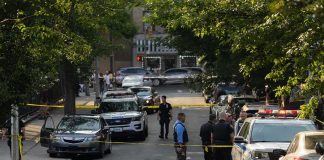
Okaloosa County deputies arrested former Chapel Hill, North Carolina, police officer Christopher Gillum at a hotel in Destin, Florida, on a Louisiana warrant that alleged terroristic threats. Authorities said they believed he planned to travel to New Orleans to attack a large festival. Investigators said family warnings and interagency tips flagged the threat. The reported timing aligned with opening days of the city’s spring festival season, when crowds are dense and security is tight.
Deputies said they recovered a handgun and roughly 200 rounds of ammunition from the hotel room, items they viewed as consistent with preparation for violence. Officials also said the suspect threatened to target Black attendees and then force police to kill him, a scenario often called “suicide by cop”. Police located him after receiving intelligence about his location and using local camera networks, which are designed to track vehicles linked to alerts.
Ex-Cop Accused of Plotting to Kill Black People in Mass Shooting at New Orleans Jazz Fest QUIETLY RELEASED After Grand Jury Refuses to Indict — Law Enforcement NOT Aware of His Release https://t.co/Uz2rnxBXrz
— Svein (@svein_hh) August 13, 2026
Racial Motive and Evidence Gaps
Media reports traced the alleged racial motive to law enforcement bulletins and family accounts, not to a public statement from the suspect. That leaves the source documents key to understanding what he said and when he said it. Officials did not publicly name the exact festival in initial briefings, even as coverage linked the case to New Orleans’ high-profile events during that week. Those limits matter because they shape how the public weighs intent versus capacity.
Grand jury secrecy means the full set of messages, travel plans, or digital records remains out of view. The arrest narrative leaned on tips, a gun, ammunition, and travel behavior. Those pieces can justify swift action to prevent harm. But they do not always clear the higher bar for indictment. Without the Louisiana warrant affidavit, body-camera footage, and digital forensics, the record for citizens remains fragmentary and contested.
Grand Jury Decision and Public Confidence
A grand jury’s decision not to indict ended the case at that stage and led to the suspect’s quiet release, according to subsequent reporting. Law enforcement agencies often do not announce no-bill outcomes, which can leave communities and even some officers unsure of a suspect’s status. That gap fuels frustration across the spectrum. People want threats taken seriously, but they also want transparent reasons when a serious case stalls without charges.
This episode highlights a recurring tension in threat prevention. Police must move fast on warning signs to stop mass violence. Prosecutors must later prove intent with clear evidence. When officials withhold core documents, both conservatives and liberals suspect that elites guard the process while citizens bear the risk. Publishing the warrant, the bulletins, and any digital evidence would help the public judge whether the alarm matched the proof and why the grand jury demurred.
Sources:
youtube.com, abc11.com, apnews.com, abcnews.com