UK retailers just learned the hard way what happens when years of globalist mismanagement, inflation, and shaky consumer confidence finally collide with a make-or-break Christmas season.
Story Highlights
- December 2025 Christmas trading in the UK was labeled “disappointing” as both store and online discretionary sales fell.
- Footfall dropped across high streets, malls, and retail parks, exposing how fragile the consumer economy has become.
- Households battered by high living costs shifted to essentials, experiences, and earlier discount events.
- Record grocery values hid weak non-food volumes, pressuring retailers’ margins and 2026 plans.
Disappointing Christmas Exposes a Brittle Consumer Economy
UK retailers went into Christmas 2025 counting on a late festive surge to rescue a weak year, but the data show that rescue never truly arrived. Discretionary retail sales fell 1.4% year-on-year in December, the worst monthly performance since November 2024, even as many chains flooded shoppers with promotions and extended trading hours. Both in-store and online volumes slipped, confirming that this was not a simple channel shift but a genuine pullback in non-essential spending.
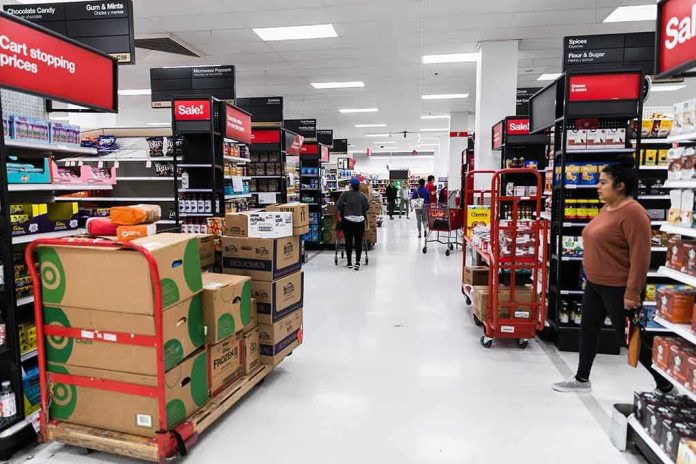
Behind the topline numbers sat a more troubling picture for brick-and-mortar locations. Overall pre-Christmas footfall declined about 4.3% compared with the previous year, with high streets down 5.6%, shopping centres 4.7%, and retail parks 4.3%. Retailers still enjoyed some late surges, particularly around Christmas Eve and Boxing Day, but those flurries of activity were not strong enough or sustained enough to offset the earlier weeks of muted traffic and cautious browsing.
Footfall Declines and the End of the “Last-Minute Rescue” Myth
For years, many chains built their festive forecasts on the assumption that British shoppers would flock to stores in the final days before Christmas to clear shelves and pad profits. December 2025 challenged that belief. Footfall trackers recorded weaker visits throughout most of the month, even after adjusting for Black Friday’s timing and unsettled weather. Late-December peaks offered useful clues for 2026 planning, but they did not reverse the structural downtrend affecting high streets and secondary shopping locations.
Official data for November 2025, the month containing Black Friday, underlined how deceptive headline sales spikes can be. Once calendar effects were stripped out, seasonally adjusted retail volumes edged down 0.1% on the month. Non-store retailers saw volumes fall, while supermarkets recorded their fourth consecutive monthly decline in volumes. Surveys suggested only about a third of adults intended to shop Black Friday at all, with more people planning to cut back than to spend more, signalling restrained sentiment heading into December.
Households Prioritise Essentials, Experiences, and the Grocery Aisle
Industry commentary tied the disappointing Christmas mainly to persistent food inflation, high living costs, and low consumer confidence. Many middle- and lower-income households tightened belts on discretionary categories such as fashion, homewares, and big-ticket gifts, while still trying to preserve meaningful experiences with family and friends. That meant more spending on essentials, selective treats, and days out, and less appetite for the kind of impulse retail therapy that once defined Golden Quarter trading.
Grocery data highlighted this split. Take-home sales across the major grocers reached a record value of roughly £13.8 billion over the festive period, up around 3.8% year-on-year, driven in part by higher prices and a tilt toward premium own-label ranges. Families clearly wanted a special Christmas at the dinner table, even as they pulled back elsewhere. But record values in food did not translate into broad-based retail health, since non-food volumes remained under pressure and margins stayed tight.
Golden Quarter Weakness and the Policy Backdrop
The disappointment of December did not come out of nowhere. Earlier in the Golden Quarter, October and November sales on the high street failed to keep pace with inflation, leaving volumes significantly below the previous year. A late government Budget prolonged uncertainty and discouraged shoppers from making large discretionary commitments. Retailers layered in promotions, especially around Black Friday, but consumers used those deals selectively rather than opening their wallets widely.
Throughout 2025, official figures documented falling supermarket volumes and retailers’ own reports of poor footfall. At the same time, structural shifts continued to reshape behaviour. More shopping moved across channels, with customers blending online, click-and-collect, and in-store visits. Spending on experiences and services, from travel to leisure, competed directly with gift-focused retail outlays. The result was a fragmented, less predictable trading pattern, where traditional December high-street traffic no longer guaranteed strong Christmas results.
Retailers, Workers, and Communities Face Tough Adjustments in 2026
By early 2026, analysts widely described Christmas 2025 as disappointing for non-food discretionary retailers, with weaker sales and footfall putting pressure on profits, stock positions, and investment plans. Many chains entered the new year with excess inventory that required heavier markdowns in January, eroding already thin margins. That financial squeeze risks feeding through into hiring freezes, shorter opening hours, and renewed scrutiny of underperforming stores, particularly on embattled high streets.
Landlords and suppliers are part of the same stressed ecosystem. Lower traffic makes it harder to justify existing rent levels in marginal locations, strengthening tenants’ hands in lease negotiations and raising the risk of vacancies. Brands and wholesalers may also face reduced or delayed orders as retailers seek leaner inventories and quicker stock turns. For communities that depend on retail jobs and vibrant town centres, these trends underline how years of policy-driven cost-of-living strain and economic uncertainty eventually show up in empty shopfronts and cautious Christmas shoppers.
Sources:
Late festive footfall: 2025’s data provides clues for 2026
UK retail sales fall in December as Christmas boost fails
Retail Sales, Great Britain: November 2025
Christmas 2025: the rise of premium own-brand
UK retail sales edge higher pre-Christmas as online spending jumps