Trump’s FedEx ally David Steiner becomes USPS Postmaster General, sparking fears of postal service privatization amid record losses of $9.5 billion.
Key Takeaways
- David Steiner, a FedEx board member and former Waste Management CEO, has been appointed as the next USPS Postmaster General, pending ethics and security clearances.
- USPS lost $9.5 billion in fiscal year 2024 and reported a net loss of $3.3 billion in the second quarter, with service performance declining.
- Multiple postal unions, including the National Association of Letter Carriers, oppose Steiner’s appointment, viewing it as a conflict of interest and a step toward privatization.
- The appointment comes as the USPS implements its 10-year “Delivering for America” plan and proposes new rate increases, including raising Forever stamps from 73 to 78 cents.
- President Trump has previously considered postal service privatization and plans to nominate Republican donor Anthony Lomangino to the USPS governing board.
Corporate Executive Takes Control of Struggling Postal Service
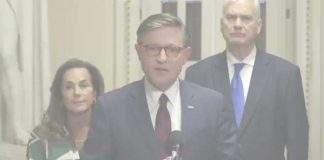
The United States Postal Service has appointed David Steiner, a current FedEx board member and former CEO of Waste Management, as its new Postmaster General. The controversial selection comes as the USPS faces mounting financial challenges, including a staggering $9.5 billion loss in fiscal year 2024 and a $3.3 billion net loss in the second quarter alone. Steiner’s background in private logistics has immediately raised concerns about the potential privatization of America’s mail system, a goal President Trump has previously expressed interest in pursuing.
Amber McReynolds, chair of the USPS Board of Governors, announced that Steiner is expected to begin his term in July, stating: “We anticipate that Mr. Steiner will join the organization in July, assuming his successful completion of the ethics and security clearance processes that are currently underway.” Before taking the position, Steiner will be required to divest his substantial FedEx holdings, which as of July 2024 included 34,438 shares, and formally leave his position on FedEx’s board of directors.
David Steiner, a former CEO of the nation's largest waste management company who currently serves on the FedEx board of directors, is poised to take over control of the U.S. Postal Service, becoming the nation's 76th postmaster general.https://t.co/9EV8mEetg3
— CBS News (@CBSNews) May 10, 2025
Union Opposition and Privatization Concerns
The appointment has been met with fierce resistance from postal worker unions. The National Association of Letter Carriers has been particularly vocal, with president Brian Renfroe condemning the selection as more than just a conflict of interest. “His selection isn’t just a conflict of interest—it’s an aggressive step toward handing America’s mail system over to corporate interests,” Renfroe stated, highlighting concerns that Steiner’s FedEx connections represent a fundamental threat to the public service mission of the USPS.
“No president, past, present or future, should have any say in who leads the independent Postal Service,” said Mark Dimondstein, president of the American Postal Workers Union. “It’s an aggressive step toward handing America’s mail system over to corporate interests.”
Democratic Representative Gerry Connolly has also denounced the appointment, calling it “a blatant conflict of interest and an attempt by President Trump to install a handpicked loyalist who he believes will put his interests over what may be best for the Postal Service and the American people.” This criticism aligns with concerns that Trump’s administration is seeking to reshape the USPS according to his previous proposals, which included privatization and potentially merging the postal service with the Commerce Department.
USPS board taps FedEx director David Steiner for postmaster general https://t.co/9B3YdcwXQq
— FedSmith.com (@FedSmith) May 9, 2025
Financial Crisis and Price Increases
Steiner inherits a postal service in dire financial straits. With service delays increasing and on-time delivery of First-Class Mail dropping from 84% to 82% year-over-year, the organization is struggling to meet its basic performance metrics. To address these issues, the USPS is already proposing substantial price increases effective July 13, including raising the cost of a Forever stamp from 73 cents to 78 cents—the second price hike this year alone.
“I deeply admire the public service and business mission of this amazing institution, and I believe strongly in maintaining its role as an independent establishment of the executive branch,” said David Steiner, attempting to address concerns about his intentions for the USPS.
These financial challenges arise as the USPS continues implementing its controversial 10-year “Delivering for America” plan, which includes network consolidation efforts that have already led to service disruptions significant enough to trigger Senate committee hearings. Steiner will be responsible for overseeing the ongoing implementation of this plan while attempting to address the organization’s substantial losses, all under the watchful eye of unions and lawmakers concerned about the preservation of postal services as a public good.
Trump’s Broader Postal Strategy
The appointment appears to be part of a larger strategy by the Trump administration to reshape the postal service. Trump has announced his intention to nominate Anthony Lomangino, a significant Republican donor, to the USPS governing board, potentially shifting its political balance. These moves align with Trump’s previous consideration of privatizing the USPS during his first term, an agenda that was met with substantial resistance from postal unions and Democratic lawmakers.
For conservatives who have long criticized the inefficiency and financial losses of the USPS, Steiner’s appointment represents a potential opportunity to bring private-sector discipline to an organization that has failed to adapt to changing communication patterns and market realities. His experience transforming Waste Management by expanding business lines and improving operational efficiency could benefit the postal service if applied appropriately. However, the fundamental question remains whether such corporate approaches can coexist with the USPS’s constitutional mandate to provide universal service to all Americans regardless of profitability.