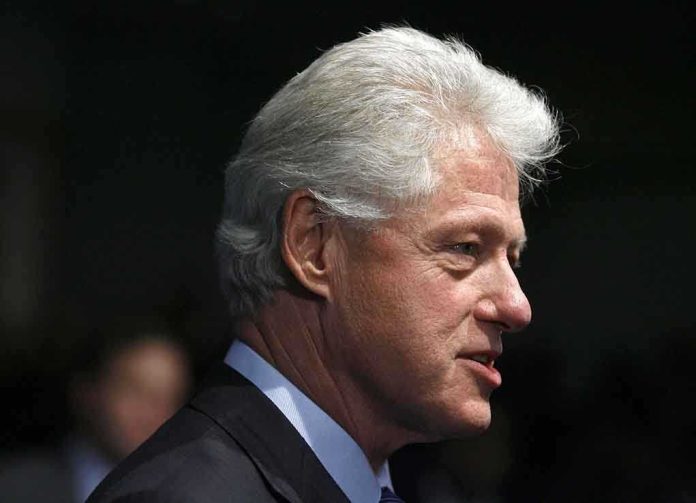
Bill Clinton personally invited Jeffrey Epstein and Ghislaine Maxwell as surprise guests to Moroccan King Mohammed VI’s 2002 wedding, raising fresh questions as the Justice Department deadline looms for releasing explosive Epstein files.
Story Snapshot
- Clinton requested to add Epstein and Maxwell—known for underage sex trafficking—to the exclusive guest list at the Moroccan royal wedding in 2002.
- This revelation resurfaces amid 2025 demands for full Justice Department disclosure of Epstein files, fueling calls for accountability.
- President Trump’s administration prioritizes transparency and justice, contrasting past elite cover-ups that frustrated everyday Americans.
- Epstein’s network implicated powerful Democrats, underscoring long-standing concerns over influence peddling and elite impunity.
Clinton’s Invitation to Epstein and Maxwell
Former President Bill Clinton directly asked Moroccan officials to include Jeffrey Epstein and Ghislaine Maxwell as his personal guests at King Mohammed VI’s 2002 wedding. The event drew global elites, yet Clinton chose to bring individuals later convicted of heinous crimes. Epstein faced charges for sex trafficking minors, while Maxwell received a 20-year sentence for her role in recruiting underage girls. This association highlights patterns of elite favoritism that conservatives have long criticized as eroding public trust in leadership. Under President Trump’s return, renewed scrutiny promises real accountability.
Timing Ties to Epstein File Release Deadline
The resurfacing of Clinton’s wedding guests occurs just before a critical Justice Department deadline to unseal Epstein-related documents. These files could expose more connections between Epstein’s predatory network and political figures. Past administrations delayed transparency, allowing questions to fester and frustrating Americans seeking justice. President Trump’s Justice Department now advances declassification efforts, aligning with commitments to root out corruption and protect victims—core priorities after years of perceived cover-ups by prior leadership.
Implications for Accountability in 2025
Epstein’s death in 2019, ruled a suicide amid suspicious circumstances, left many demanding full disclosure of his associates. Clinton’s repeated flights on Epstein’s plane and this wedding invite deepen suspicions of complicity among elites. Conservative values demand limited government interference but fierce pursuit of justice against predators. With Trump back in the White House, initiatives like cracking down on cartels and protecting citizens signal a shift toward transparency, rejecting the globalist networks that shielded figures like Clinton for decades.
Victims’ advocates praise the push for Epstein files, viewing it as a victory against systemic protection of the powerful. This development reinforces frustrations with past policies that prioritized insiders over ordinary families, echoing concerns over open borders and fiscal mismanagement that enabled such scandals.
Contrast with Trump Administration Priorities
President Trump’s leadership emphasizes protecting American families from threats like trafficking networks, mirroring his designations of cartels as terrorists. Unlike prior eras marked by elite impunity, Trump’s executive actions deliver on border security and child protection, resonating with conservatives tired of woke distractions and government overreach. The Epstein file deadline under his watch offers hope for closure, upholding constitutional principles of equal justice.
This story underscores why voters chose Trump in 2024—to dismantle entrenched corruption and restore faith in institutions serving patriots first.