A Utah judge’s decision to allow cameras in the trial of Charlie Kirk’s accused killer spotlights the clash between public transparency and fair trial rights, raising fears that elite media influence could undermine justice for all Americans.
Story Snapshot
- State District Judge Tony Graf ruled on May 8, 2026, to permit news outlets to film, photograph, and livestream Tyler Robinson’s capital murder trial, denying the defense’s ban request.[1][3]
- Prosecutors, media groups, and Charlie Kirk’s widow Erika Kirk backed cameras, claiming transparency combats conspiracy theories since Kirk’s September 10, 2025, assassination.[2][3]
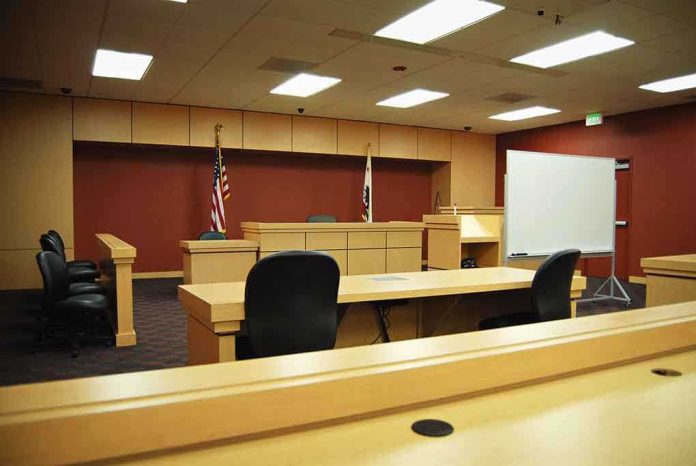
- Judge relocated cameras to the courtroom rear to prevent close-ups of Robinson’s shackles or attorney talks after prior media violations.[1][2]
- Defense cited expert testimony on jury bias from pretrial publicity by political leaders, but Judge Graf prioritized openness as foundational to courts.[2]
Judge’s Ruling Permits Cameras with Restrictions
State District Judge Tony Graf issued his ruling on Friday afternoon in the Tyler Robinson case. He denied the defense motion for a categorical ban on electronic media coverage. Graf stated the presumption favoring cameras remains intact. This decision allows filming, photography, and livestreaming throughout pretrial hearings and the trial. The ruling follows intense arguments from both sides.[1][3]
Media organizations and prosecutors intervened to support access. They argued publicity already saturates the case, making secrecy counterproductive. Erika Kirk, the widow, joined their stance. She emphasized victim rights and the need to counter misinformation. Prosecutors noted non-DNA evidence like surveillance video and a handwritten confession note bolsters their position.[2]
Defense Challenges Media Impact on Fair Trial
Tyler Robinson’s defense team sought to exclude cameras due to heavy pretrial coverage. National political leaders from Utah and beyond held press conferences prejudging guilt. Defense expert social psychologist Brian Edelman testified on unconscious jury bias. He explained how inflammatory media reduces empathy and pressures participants. Prior media violations showed shackles and attorney close-ups, prompting Graf to intervene.
Judge Graf previously rejected defense bids to seal transcripts in December 2025. He affirmed transparency as foundational to the judicial system. Graf tightened rules by moving cameras behind Robinson. This aims to balance First Amendment public access with Sixth Amendment impartial jury rights. Studies show judges favor cameras in 85% of high-profile cases with safeguards.[2]
Broader Tensions in High-Profile Justice
The dispute reflects enduring conflicts in American courts. A 2019 Reporters Committee for Freedom of the Press analysis found media motions arise in 20-30% of national attention felonies. National Center for State Courts data from 150 televised trials (2010-2020) indicates restrictions succeed only 15% of the time. Pretrial publicity challenges juries in 40% of cases, yet convictions proceed.[Neutral context]
Utah judge allows cameras at Tyler Robinson trial, citing transparency amid debate over media influence and fairness. https://t.co/koef4TKO2n
— NEWSRADIO 630 WLAP (@630WLAP) May 9, 2026
Americans across the spectrum share distrust in institutions handling such cases. Conservatives decry media sensationalism echoing past liberal biases, while liberals worry about elite narratives overriding due process. Both see government failures in ensuring impartiality amid elite influence. Inconclusive ballistics reports and conspiracy theories persist, questioning if cameras truly dispel doubt or amplify division.
Sources:
[1] Charlie Kirk murder: Judge rules cameras allowed in courtroom for Tyler Robinson trial
[2] Judge to rule Friday whether Charlie Kirk murder case can be filmed, photographed