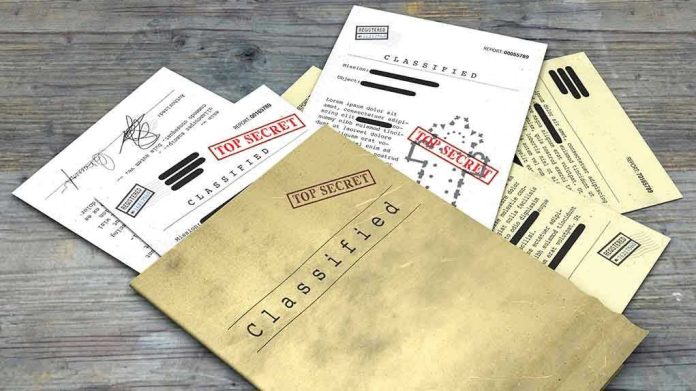
Federal agencies are quietly burying a major alcohol health report, leaving millions unaware of hidden risks that threaten American families and constitutional transparency.
Story Snapshot
- A comprehensive federal study links alcohol to cancer, heart disease, and premature death, but its findings are withheld from public release.
- Experts and advocates criticize the suppression, warning it erodes public trust and undermines informed health decisions.
- The report’s recommendations challenge long-held beliefs about “safe” drinking, fueling calls for stronger warning labels and policy reforms.
- Industry and political pressures may be hindering transparency, impacting consumers and costing the healthcare system billions.
Federal Report Suppressed Despite Public Health Risks
In early 2025, the Substance Abuse and Mental Health Services Administration (SAMHSA) submitted the Alcohol Intake and Health Study to federal agencies, exposing strong causal links between alcohol use and over 200 health conditions—including at least seven types of cancer, cardiovascular diseases, and liver cirrhosis.
Despite being based on extensive, taxpayer-funded research, the final report remains unpublished. Scientific panelists and public health advocates are voicing concern that withholding these findings undermines public health and keeps Americans in the dark about the real dangers of even moderate drinking.
The timing is significant, as alcohol-related deaths have spiked over the past two decades, with per capita consumption rising by 13% since 1999. The suppressed report was intended to guide the 2025–2030 Dietary Guidelines for Americans, shaping national policy and consumer behavior.
Instead, its absence has created a disconnect between scientific evidence and government messaging, reminiscent of past failures to warn citizens about tobacco risks.
Calls for revised alcohol warning labels, especially those highlighting cancer risks, have intensified, but federal agencies have declined to discuss the report’s release or integration into official guidelines.
Stakeholders and Influence: Who Decides What Americans Know?
Key decision-makers include senior officials at the Department of Health and Human Services (HHS) and the Department of Agriculture (USDA), who control the release and policy use of the report. Scientific review panelists, motivated by integrity and public health, have limited influence once their work is submitted.
Meanwhile, powerful alcohol industry lobbying may be swaying agency decisions, prioritizing reputation and regulatory concerns over transparency. Public health advocates are pushing for stronger warnings and education, but the battle over information continues behind closed doors, raising questions about government accountability and the erosion of constitutional principles like open access to taxpayer-funded research.
Industry experts and academic researchers overwhelmingly agree on the dangers of alcohol, with systematic reviews showing risks increase even at low levels of consumption. The suppressed study represents the highest standard of scientific evidence, supported by advisory statements from the Surgeon General and National Academies.
Some experts argue that complete abstention is the only safe choice, but cultural norms and industry influence complicate efforts to change public perceptions and behaviors. As calls for revised warning labels grow louder, Americans are left navigating the risks without clear, honest guidance from their own government.
Impact on Families, Healthcare, and Conservative Values
The consequences of suppressing this report are far-reaching. In the short term, families remain uninformed, and official dietary guidelines may not reflect the latest science, potentially increasing alcohol-related morbidity and mortality.
Working-age adults and women face disproportionate risks, while the healthcare system absorbs rising costs from preventable diseases. Long-term, delayed policy action could prolong public health harms, drive up spending, and damage trust in government institutions.
Economic burdens intensify as industry avoids regulation and consumption trends shift. For conservatives, the lack of transparency represents a direct attack on common sense, family values, and the constitutional right to honest information from publicly funded research.
President Trump’s administration has made strides in restoring American confidence and accountability, but this incident highlights the ongoing challenges posed by entrenched bureaucracies and industry interests.
As public awareness grows and scientific consensus mounts, the demand for government transparency and action on alcohol’s health risks will only intensify. Conservative Americans are right to demand answers and insist that the government serve—not shield—the people from truths that impact their health, liberty, and future.
Sources:
Draft Alcohol Intake and Health Study (SAMHSA)
STAT: Federal Alcohol Health Study Not Released
UConn: How Labels Can Convey Alcohol’s Cancer Risks
Gallup: Drinking Rate New Low, Alcohol Concerns Surge
U.S. Surgeon General: Alcohol & Cancer Report
National Academies: Review of Evidence on Alcohol & Health