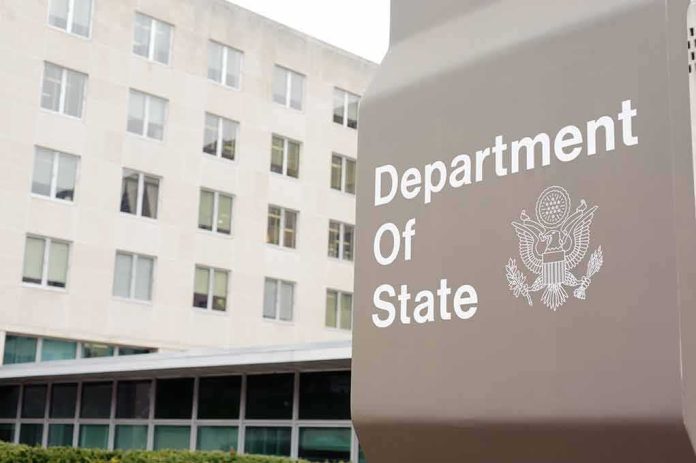
The United States government says Americans should not travel to Libya under any circumstances because the risk of crime, terrorism, kidnapping, civil unrest, unexploded landmines, and armed conflict is too high.
Story Snapshot
- The State Department set Libya at Level 4: Do Not Travel, its harshest warning.
- Risks include terrorism, kidnapping, crime, civil unrest, and landmines.
- No U.S. Embassy operates in Libya, limiting help for Americans.
- The warning reflects a broader policy to be blunt in conflict zones.
What Washington Warns: Libya Is A No-Go Zone
The U.S. Department of State states that Libya is a Level 4: Do Not Travel destination. Officials list six threats: crime, terrorism, kidnapping, civil unrest, unexploded landmines, and armed conflict. Level 4 is the highest warning. It means the government believes it cannot keep travelers safe. The advisory is clear and simple by design. It tells Americans to avoid Libya for any reason. That includes tourism, business, and private visits.
The State Department’s public index also lists Libya’s risk tags for unrest, crime, kidnapping or hostage taking, terrorism, and other hazards. Security notes echo the same message. They warn that danger remains high across the country. These alerts aim to keep travelers out of harm’s way. They also set a baseline for airlines, insurers, and aid groups. When risk is this high, many services will not operate or will limit support.
Why The Warning Is So Strong And So Broad
Officials often keep conflict countries at Level 4 when risks are wide and hard to predict. The Libya page shows that pattern. When danger includes armed groups, terror plots, and kidnapping, the State Department issues blunt, countrywide rules. The logic is simple. If the government cannot map safe zones or help quickly on the ground, it warns all Americans to stay out. That stance can hold even if some areas seem calmer for a time.
Travel risk groups and government security reports reinforce the same picture. They cite high crime, threats of kidnapping for ransom, and active terror groups in Libya. They also warn about explosive hazards. Years of fighting have left behind unexploded ordnance and landmines that can injure civilians, including travelers. These factors make normal risk planning very hard. They also raise the odds that a single mistake could be deadly.
Limited U.S. Help On The Ground Raises The Stakes
The United States has no embassy operating in Libya. That gap means the normal safety net for Americans overseas does not exist there. Without consular staff, the government has fewer ways to help if someone is hurt, detained, or needs to evacuate. The State Department directs questions to an external office in Tunis instead. That setup slows response and can leave families waiting. In a crisis, hours matter, and delays can be costly.
"Do not travel to Libya for any reason."
Americans planning a trip to Libya are being urged to reconsider those plans, as the U.S. State Department issues its strongest possible travel warning.
The Level 4 advisory cites widespread kidnapping, terrorism, landmines and other… pic.twitter.com/OlquUTJLJZ
— Fox News (@FoxNews) September 5, 2026
Both right-leaning and left-leaning Americans share a basic concern here. People want a government that can protect citizens and give clear guidance. On Libya, the message is direct. Do not go. The warning also shows a larger shift. When threats pile up and U.S. access is limited, officials choose maximum caution. That protects lives but also reflects limits in American reach abroad. Travelers should weigh those limits before buying a ticket.
How To Read This If You Have Plans Abroad
Travel advisories are not fear campaigns; they are risk calls. Level 4 means risk is extreme and help is scarce. In Libya, the mix of armed conflict, kidnapping risk, terror activity, crime, unrest, and landmines meets that bar. If you must travel for urgent reasons, the government still says do not go. If you are overseas nearby, build backup plans and track official alerts. Families should keep copies of key documents and share itineraries with trusted contacts.
Bottom Line For Americans
The bottom line is simple and firm. The United States government tells Americans not to travel to Libya for any reason. The risk is high, the threats are varied, and U.S. help is limited. That call will likely remain until the security picture improves and normal consular work can resume. Until then, choose other destinations. Safety and clarity are worth more than any deal on flights or tours, especially where one wrong turn can change everything.
Sources:
thegatewaypundit.com, travel.state.gov, foxnews.com, ly.usembassy.gov, travelandtourworld.com