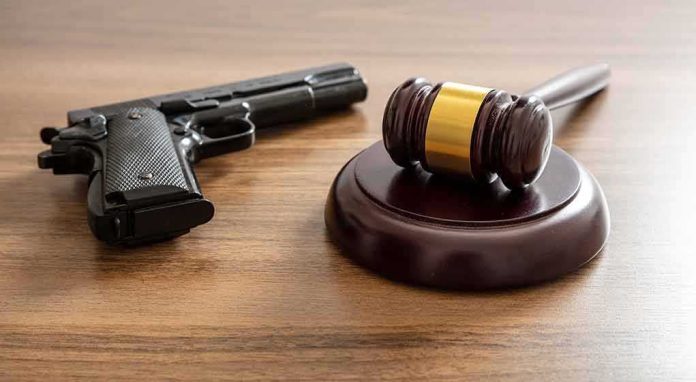
- A federal appeals court just said the Second Amendment does not cover machine guns and kept federal registration for silencers in place, tightening rules even as other courts loosen them.
Story Snapshot
- A Third Circuit panel ruled machine guns are not protected by the Second Amendment because they are not in common lawful use.
- The court upheld federal silencer registration as a valid, objective licensing system, not a ban.
- The ruling comes as a Texas case cut silencer rules for some plaintiffs, creating a split landscape.
- Gun-rights advocates warn the “common use” test lets elites decide which arms the public may own.
What the Court Decided and Why It Matters
The United States Court of Appeals for the Third Circuit affirmed criminal convictions tied to machine guns and silencers. The panel held that machine guns fall outside the Second Amendment because they are not in common lawful use for self-defense or other legal purposes. The judges also said the federal registration process for silencers works like a neutral, shall-issue license. It uses fingerprints, photos, and serial numbers, so it does not flatly ban ownership.
The ruling leans on the “common use” idea from recent Supreme Court cases. That approach protects weapons that many law-abiding people use for legal ends. It allows restrictions on weapons seen as especially dangerous or rare. The panel described machine guns as weapons of war and crime, not self-defense. That framing supported upholding the federal ban on machine gun possession that has stood for decades.
How This Fits Into the National Patchwork
This decision lands in a messy legal moment. A federal judge in Texas recently said core parts of the National Firearms Act no longer apply to silencers and certain short guns for specific plaintiffs. That judge reasoned that when Congress cut the related taxes to zero, the old tax-based rules lost their footing. The Department of Justice did not pause that ruling, so some people can skip federal registration for now, but only within the scope of that case.
These split rulings show how uneven gun laws have become after the Supreme Court’s Bruen decision. Judges must compare modern gun rules to historical traditions. That method has produced different answers on similar items across courts. Machine guns and silencers sit at the center of that fight because they have long been regulated by the National Firearms Act. Yet courts now disagree on which parts still stand and which do not.
What Both Sides See at Stake
Gun-rights advocates argue the Constitution protects “arms” broadly, not just weapons tied to self-defense. They say the “common use” test is a trap. If the government bans an item early, it never becomes common, and then courts claim it is uncommon and unprotected. They warn this cycle lets elites and agencies, not citizens, decide which tools the public may own, breeding distrust in a system already seen as serving the powerful.
A self-described "alt-right" conservative podcaster cannot have his firearms convictions overturned because a federal law banning machine guns does not violate his Second Amendment rights, the Third Circuit ruled Tuesday. https://t.co/o8T5xzFhpY
— Law360 (@Law360) September 2, 2026
Supporters of the ruling counter that public safety allows firm limits on unusually dangerous weapons. They point to long, bipartisan backing for machine gun controls. They also note the silencer rules still allow ownership through clear steps, much like many state carry permits. To them, this is a narrow, balanced approach: bans for battlefield weapons, and licensing for add-ons that can still be tracked if misused.
What Comes Next
Appeals could follow, including a request for the full Third Circuit to rehear the case. Other circuits may issue different rulings, raising the chance of a Supreme Court review. For now, people in the Third Circuit face a firm machine gun ban and ongoing silencer registration. People covered by the Texas case face looser silencer rules. The split adds to the sense that national rights depend on your judge and your zip code, not just the Constitution.
Sources:
reason.com, news.bloomberglaw.com, law360.com, washingtonexaminer.com, cbsnews.com, law.cornell.edu, cato.org