A 43-year-old Florida man says fast action from strangers stopped heavy bleeding after a shark tore into his leg near Boca Grande Key.
Story Snapshot
- Dave Daniel was bitten on the lower leg near Boca Grande Key late Sunday.
- Nearby boaters, including off-duty nurses, applied pressure and rushed him to help.
- The U.S. Coast Guard met the civilian boat and coordinated medical transport.
- Experts say quick bleeding control often makes the difference after shark bites.
Rescue After Bite Near Boca Grande Key
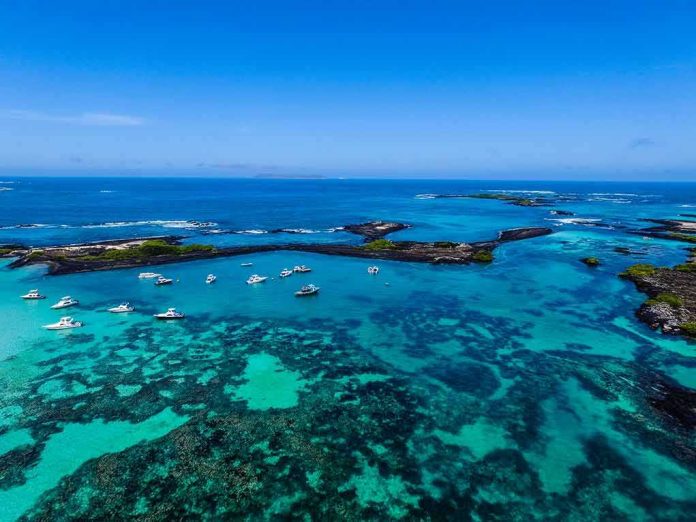
U.S. Coast Guard officials said the attack happened around 5 p.m. Sunday near Boca Grande Key, west of Key West. They said the victim, identified as David “Dave” Daniel, was swimming near a recreational boat when a shark bit his lower leg. Local reports said Daniel was on a sandbar when the bite occurred, and he was airlifted to a Miami hospital for treatment. Daniel later thanked the strangers who helped him and said he felt lucky to be alive.
Witnesses told local media that off-duty nurses on nearby boats reached Daniel, applied pressure to the wound, and helped transfer him. A nurse described focusing on stopping the bleeding with the basic supplies on hand, saying the goal was to keep him alive until more help arrived. The Coast Guard met the civilian vessel and coordinated further care after the on-water handoff. Daniel has since undergone surgeries and is recovering, according to local updates.
Victim’s Account And Condition
From his hospital bed, Daniel described the bite and the chaotic minutes that followed. He credited the nearby boaters and nurses for acting fast and working together under stress. Local television reports said he was bitten on the foot and lower leg while standing in shallow water on a sandbar off Boca Grande Key, and then flown to Jackson South Medical Center in Miami-Dade County. Reports from friends said doctors performed two surgeries, and a longer recovery is expected.
Authorities and hospital staff have not announced the shark species with certainty. One local report cited a nurse shark based on the wound and location, though species calls can be hard without a clear sighting. What is clear is the timeline: the bite, nearby aid, the boat transfer, and rapid medical evacuation. That chain often shapes outcomes after major bleeding events. Daniel’s case fits that pattern and shows how basic first aid can bridge the gap to trauma care.
A person bitten by a shark in the Florida Keys is recovering, and the nurse who helped at the scene gave an account of the rescue.
— Christie (@Christi73316857) August 27, 2026
How Common Are Shark Bites In Florida?
Florida leads the United States in reported unprovoked shark bites most years. This is due to the high number of people in the water, not a surge in shark aggression, according to long-running databases. In 2025, Florida recorded 11 unprovoked bites, none fatal, out of 25 in the country. The Florida Museum’s International Shark Attack File also reported that 2024 was an unusually quiet year for shark bites overall. The risk is real but remains low for beachgoers.
Experts and rescue groups stress one lesson again and again: time to bleeding control matters most after a bite. Immediate, firm pressure on the wound and quick transport can save lives. Clinical reviews link fast tourniquet use or strong pressure to better survival in limb injuries. First aid groups offer simple steps for laypeople, including direct pressure and, when trained and necessary, a tourniquet, until medics arrive. Those steps mirror what bystanders did for Daniel.
Sources:
nypost.com, nbcmiami.com, wsvn.com, people.com, clickorlando.com