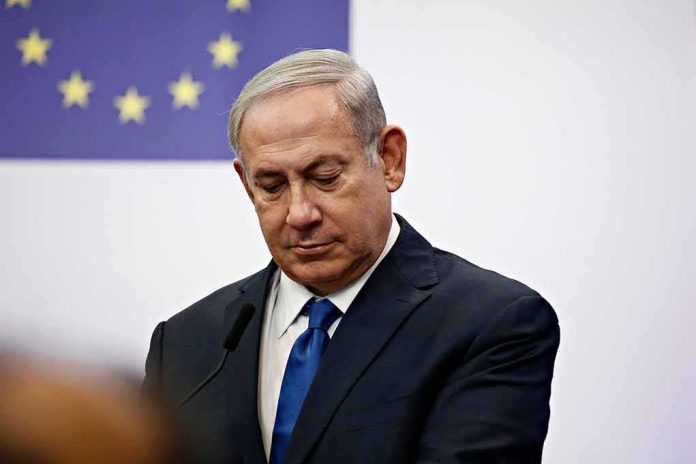
Turkey’s move to seek an Interpol Red Notice for Israel’s prime minister pushes a regional feud into the global legal arena, with U.S. policy and NATO unity on the line.
Story Highlights
- Turkey asked Interpol to flag Benjamin Netanyahu for arrest in a Gaza flotilla case.
- Israel struck a Syrian airbase and says it warned Turkey and Syria beforehand.
- Washington is working on a deconfliction channel to prevent a clash.
- Experts say Turkey and Israel want very different outcomes in Syria.
Turkey Turns to Interpol, Escalating a Legal Fight
Turkey said it will ask Interpol to issue a Red Notice for Israeli Prime Minister Benjamin Netanyahu. Ankara tied the request to a domestic case over an interception of a Gaza-bound flotilla. A Red Notice is a request to locate and arrest a person pending extradition, but it is not an arrest warrant by itself. Reuters reported the Turkish move on August 21, 2026, marking a sharp legal escalation beyond normal diplomacy.
🚨 BREAKING 🇹🇷🇸🇾
Turkey says it will continue its military support for Syria despite warnings from Israel.
Ankara has also called on Israel to halt its attacks, signaling that tensions in the region remain high. ⚠️
The situation could escalate further. 👀
— Sumit Karole (@sumitradex) August 27, 2026
Turkey’s step tries to turn a regional dispute into a worldwide police issue. Interpol often rejects notices that appear political. Even so, the filing signals that Ankara plans to keep pressure high. For many Americans, this fits a pattern where international groups get used in power fights while real problems go unsolved. It also risks pulling allies into disputes that voters did not ask for and that lawmakers often dodge.
Israeli Strike in Syria Triggers New Flashpoint
Days before the Interpol request, Israel bombed Syria’s Abu al-Duhur airbase. Israeli leaders said the attack aimed to stop a looming Turkish troop deployment that would threaten Israel. Prime Minister Benjamin Netanyahu said he warned Turkey and Syria and used the word “Don’t” to make the message clear. Those statements show Israel wants to draw a hard line against a southward Turkish military presence near Aleppo.
Turkey rejected Israel’s claims and condemned the strike. The back-and-forth widened a rift that has been building since the wars and unrest that reshaped Syria. The clash is not only about one runway. It is about control of airspace, borders, and leverage over Syria’s future. That is why the fight quickly jumped from a base in Idlib province to Interpol headquarters and foreign ministries worldwide.
United States Seeks to Prevent an Ally-on-Ally Collision
The United States is trying to keep two important partners from stumbling into direct conflict. Washington has been building a deconfliction mechanism among Israel, Turkey, and Syria. The goal is to reduce the risk of sudden clashes and manage air and ground moves near shared lines. The U.S. special envoy for Syria also called the Israeli strikes an “unnecessary escalation,” showing concern about rapid spiral risks.
This puts U.S. policy in a tough spot. President Trump backs strong ties with Israel and wants a firm North Atlantic Treaty Organization (NATO). Turkey is a key NATO member that hosts U.S. forces and controls access to the Black Sea. A public legal push against Israel by a NATO ally tests alliance unity. It also tests whether Washington can align two partners who no longer trust each other in Syria.
Clashing Visions for Syria Drive the Crisis
Analysts say Turkey and Israel are locked in a long contest over what Syria should look like after the fall of Bashar al-Assad. Turkey favors a stable, centralized Syrian state that reduces threats along its border. Israel seeks freedom to act against threats from Syria and does not want a stronger military presence by Turkey that could limit its moves. These different goals create steady flashpoints around bases and flight paths.
Should Israel have taken military action in Syria at the risk of escalating tensions with Turkey, and how should it address Turkish entrenchment in Syria moving forward?>> https://t.co/FV1KF9xGhE pic.twitter.com/QKxGLObgLo
— INSS (@INSSIsrael) August 27, 2026
The legal fight over the flotilla also has competing records. Israel’s own commission, known for its review of the 2010 flotilla incident, defended the legality of intercepting ships headed to Gaza under blockade rules. That conclusion underpins Israel’s defense in related cases. Turkey’s new Interpol step challenges that narrative and seeks to criminalize Israeli leaders’ actions linked to similar events.
Why This Matters for American Readers
These moves show how quickly regional conflicts spill into global systems that the United States helps fund and lead. A Red Notice against a sitting prime minister of a close U.S. partner could force choices for American airports, courts, and diplomats. A misstep in Syria could pull U.S. troops into a crisis between two partners. Many Americans already believe elites play games abroad while costs at home rise. This episode will likely deepen that concern.
What to Watch Next
Watch whether Interpol accepts, narrows, or rejects Turkey’s Red Notice request. Track if Washington’s deconfliction channel starts to work and reduces tensions near Aleppo. Look for signs of new rules on airbase targeting and flight corridors. Notice if either side moderates public threats. Any of these steps could slow the spiral. If they fail, more strikes, more legal filings, and higher oil and shipping risks could follow, which would hit consumers at home.
Sources:
military.com, reuters.com, jpost.com, bbc.com