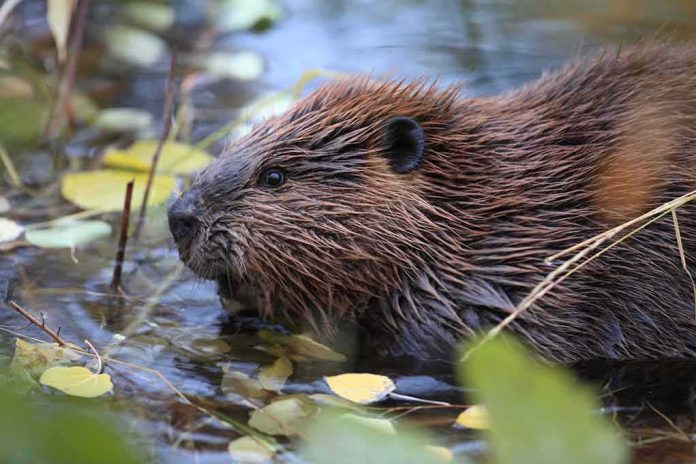
Maryland officials confirmed a beaver from Seneca Creek State Park tested positive for rabies, intensifying safety closures where a 10-year-old was bitten last week.
Story Snapshot
- State wildlife agency confirmed a rabid beaver linked to the park search area.
- The girl was bitten on August 13 at Seneca Creek near Berryville Road.
- About one mile of trails and river access remain closed during the search.
- Officials have not detected a wider county rabies outbreak this summer.
What Officials Confirmed About the Incident
Maryland’s Department of Natural Resources (DNR) said staff found a dead beaver on August 17 and state health testing confirmed rabies on August 19. The agency tied the finding to the August 13 attack on a 10-year-old girl at Seneca Creek State Park. Staff reported the bite happened around 3:30 p.m. at a bend in Seneca Creek near Berryville Road, close to the Potomac River. DNR said it cannot confirm the carcass was the same animal that bit the child, but the timing and location prompted action.
The search area sits downstream from the attack site, where crews located the carcass earlier this week, according to a DNR spokesperson quoted by local media. The department restricted the adjacent parking lots using cones and posted warning signs around the creek bend. The state said closures cover about a mile of trail and nearby river access points while teams continue to look for additional sick beavers or other animals for testing.
Park Closures and Public Safety Steps
DNR kept a defined stretch of Seneca Creek State Park closed to visitors to reduce contact with possibly sick wildlife. The agency said wildlife staff are actively searching the area and will test any animals they find that show signs of illness. Local outlets reported the closures remained in place around Berryville Road and nearby trails as of the confirmation date. Officials urged people to avoid wildlife and report animals acting strangely to authorities.
Officials also pointed to recent beaver incidents in Maryland parks this summer, which raised attention on rabies risks in popular recreation spots. Even so, county data do not show a broader outbreak in Montgomery or Frederick counties at this time, according to reporting that cited local health officials. That message aims to balance public caution with context: take the closures seriously, seek care after any bite, but do not assume a countywide surge.
Why a Rabid Beaver Is Unusual but Plausible
Wildlife experts say rabies in North America is most common in raccoons, skunks, foxes, and bats, while beaver cases are rare spillovers. Recent medical literature counted only 40 confirmed rabid beavers nationwide from 2002 to 2021, and it noted no documented cases of beavers transmitting rabies to humans during that period. Those facts help explain why a single confirmed beaver case can drive swift closures: it is uncommon, serious, and manageable through rapid response.
Officials have shut down a portion of Seneca Creek State Park in Montgomery County after a rabid beaver bit a 10-year-old girl.https://t.co/PtdcmOTc9e pic.twitter.com/YqWMRp29EI
— DC News Now (@DCNewsNow) August 20, 2026
State officials stressed one key limit in the current case: they have not confirmed that the dead, rabid beaver is the same one that attacked the girl. That is a narrow but important point about identity, not about whether rabies is present in the search area. The bottom line for families and hikers is simple. Follow closures, avoid contact with wildlife, and seek immediate medical care after any bite or scratch from a wild animal.
Sources:
washingtontimes.com, news.maryland.gov, youtube.com, patch.com, washingtonian.com