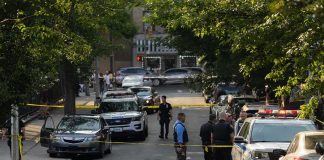
Video and eyewitness accounts from the Wisconsin State Fair show groups of teenagers punching, kicking, and chasing fairgoers, sparking dozens of arrests and a wave of outrage online.
Quick Take
- Opening-night violence at the Wisconsin State Fair led to dozens of arrests and multiple injuries, according to police and witness accounts.
- Police said race was a factor in some of the attacks, and one teen told officers he and others targeted white fairgoers because they were “easy targets.”
- Fair officials describe the trouble as a string of separate fights and “disturbances,” not one nonstop, citywide rampage.
- Fair leaders have already changed rules for minors and added extra patrols after the violence.
- Social media users are calling the fights part of a repeating pattern that officials have struggled to stop for years.
Videos Show Fights Breaking Out Across The Fairgrounds
Witnesses described chaotic scenes as fights broke out among crowds leaving the Wisconsin State Fair, with people punching and kicking bystanders and banging on cars. One witness said they saw at least 30 people fighting inside the fairgrounds on a single night. Police confirmed an officer was punched in the face during one of the clashes.
🚨Teen takeovers must stop!
Last night at the Wisconsin State Fair, teens turned a family event into a fighting ground—assaulting officers and forcing families to flee.
Public spaces are not playgrounds for violence. pic.twitter.com/65ZWPzGUru
— The Rubin Report (@RubinReportShow) August 17, 2026
Officials say at least 31 people were arrested in connection with the opening-night incidents, with charges mostly for disorderly conduct. Investigators also recorded injuries among both fairgoers and park police officers. The West Allis Police Department said the fighting started around 7 p.m. and stretched from the fairgrounds onto nearby streets.
Police Say Race Was A Factor In Some Attacks
Investigators said race played a role in at least 11 of the violent incidents under review. One 16-year-old boy arrested in connection with the attacks told police that he and other Black teenagers beat up white fairgoers because they were “easy targets”. That admission has fueled anger among people who see the violence as targeted rather than random, and it has become the center of heated debate online.
Officials Describe Separate Fights, Not One Mob
Fair officials have pushed back on the idea that the violence was one massive, out-of-control mob attacking anyone nearby. Fox6 reported that fair leaders described the trouble since the fair opened as “several fights,” mostly in the amusement park area, including 10 separate “disturbances” on one Saturday alone. That framing suggests a string of localized clashes rather than a single unbroken wave of violence across the entire fairground.
A separate report on the fair’s “violence interrupter” program said that on the first day, the group tracked only one incident of violence, and it was resolved quickly. Fair officials confirmed no other problems happened that day. These accounts don’t erase the seriousness of what happened on other nights, but they show officials trying to draw a line between isolated fights and a nonstop citywide brawl.
Rule Changes Follow The Violence
Fair leaders responded fast. After the opening-night violence and the arrest of two dozen people, officials announced new rules requiring anyone under 18 to be with a parent or guardian after a set evening hour. State leaders also sent extra state troopers to help local police keep order on the grounds. Supporters say the moves are overdue; critics say similar promises have followed fair violence before without stopping it for good.
A Pattern Many Say Keeps Repeating
Social media reaction has been swift, with many users calling the violence part of a “decades old” pattern at the fair rather than a one-time event. That frustration echoes a wider national worry that public officials talk tough after violence breaks out but rarely follow through with lasting fixes. Researchers who study crowd violence note that such events are still rare compared to the number of peaceful fairgoers, but say policing and public response often hinge on whether officials treat outbreaks as isolated incidents or a repeating failure.
For families who go to the fair expecting a safe night out, the videos and arrest numbers matter more than which label officials choose. Whether call it “several fights” or a “mob,” the result was the same: officers punched, fairgoers hurt, and a public trust in event safety shaken. Wisconsin State Fair leaders now face pressure to prove their new rules actually work before the gates open again next year.
Sources:
twitchy.com, archive.jsonline.com, cbsnews.com, facebook.com, civicmedia.us