California’s next minimum-wage jump is already set, and that makes the fight about cost, not surprise.
Quick Take
- California will raise its statewide minimum wage to $17.40 per hour on January 1, 2027.
- State officials say the increase is automatic under existing law and tied to inflation.
- The new rate will be the highest statewide minimum wage in the country, according to the state and multiple news reports.
- The policy still creates pressure on employers, especially small businesses already dealing with higher labor and benefit costs.
Automatic Raise, Not a New Law
Governor Gavin Newsom’s office says California’s statewide minimum wage will rise to $17.40 an hour on January 1, 2027. The state says the increase happens automatically under California law, which adjusts the wage each year to keep pace with inflation. That matters because the change is not a fresh vote in the Legislature. It is a built-in update that state officials say follows the same legal process every year.
The current statewide minimum wage is $16.90 an hour, so the 2027 change adds 50 cents. California’s Department of Industrial Relations also notes that some workers already fall under higher local, fast food, or health care wage rules. That means the statewide figure is only the floor for many workers, not the final wage level across the state. The headline number is simple. The pay system beneath it is not.
Why Newsom Is Making It a Political Message
Newsom used the announcement to argue that California is taking a different path on pay and affordability. His office said the state is choosing a model that rewards work and supports working families. The message also draws a sharp contrast with the federal minimum wage, which remains $7.25 an hour. That contrast helps Newsom frame the move as pro-worker. It also turns a routine formula change into a broader political signal.
That framing fits a pattern that now surrounds many California policy announcements. A technical adjustment becomes a public fight over values, money, and government competence. Supporters see a state trying to protect wages from inflation. Critics see another example of Sacramento shifting more costs onto employers while families still struggle with high prices. Both reactions come from the same facts. The difference is whether the raise is seen as help or as another burden.
What Businesses and Workers Should Expect
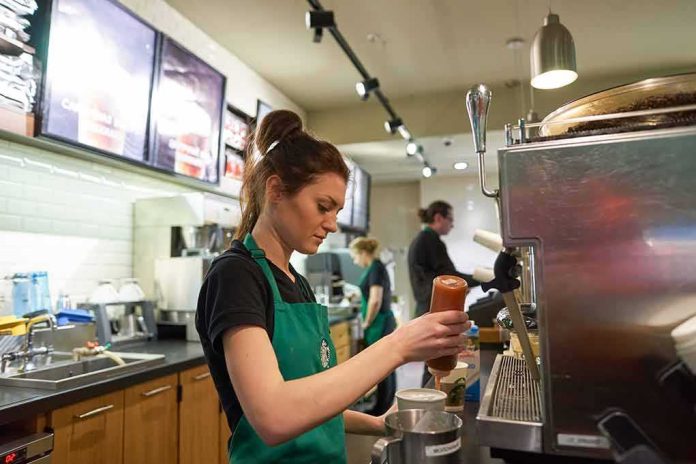
For workers who earn the minimum wage, the change is real, but it is modest in dollar terms. For employers, even a small increase can still affect payroll planning, pricing, staffing, and hours. The materials provided here do not include fresh economic data on job losses, business closures, or price effects from the 2027 change. They do show that state officials want the increase understood as part of a recurring inflation formula, not as a one-time shock.
$17.40 california minimum wage effective january 2027 LAW
— Joey Mendoza (@jayyraw209) August 3, 2026
That difference matters because California’s wage rules already include layers of exceptions and higher local standards. A fast-food worker, a health care worker, and a retail worker may not all be under the same floor. Public debate often flattens those differences into one state number. That can make the policy sound simpler than it is. It also leaves room for both sides to claim the story proves their bigger point about government, business, and the cost of living.
Sources:
thegatewaypundit.com, abc7.com, aol.com, latimes.com, fox5sandiego.com