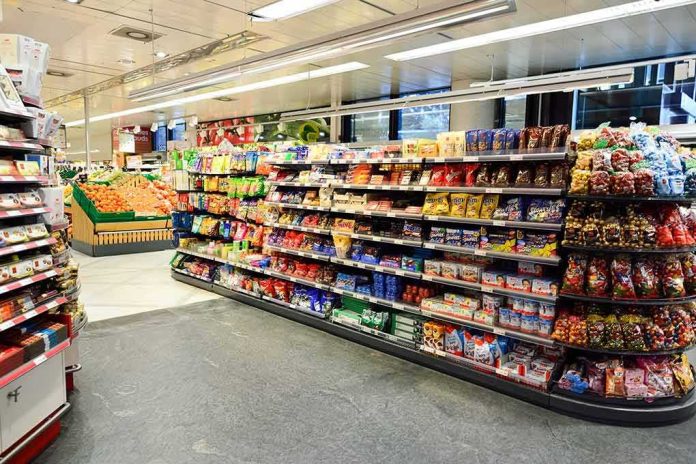
New York City’s new taxpayer-funded grocery stores may soon check your ID at the door to keep discounts for residents only, turning a “cheap food” promise into a test of who really counts as part of the city.
Story Snapshot
- Mayor Zohran Mamdani plans five city-owned grocery stores with a 30% discount on key foods.
- The city is weighing ways to limit those savings to New York City residents, likely using ID checks.
- Supporters see relief for families squeezed by high prices; critics see a costly, unfair government market.
- The fight reflects a deeper worry on left and right that political elites are playing favorites with public money.
Mamdani’s Discount Grocery Plan: What The City Promised
Mayor Zohran Mamdani has proposed five city-owned grocery stores, one in each borough, to sell a “core basket” of everyday groceries at 30 percent below typical retail prices. The city says that basket will include all fresh produce, meat, and seafood plus about twenty categories of pantry staples, dairy, and refrigerated goods. Prices for those items will be fixed for a full month instead of changing week to week. City officials claim this setup could cut an average household’s grocery bill by about 15 percent, or roughly $1,000 per year.
The stores will be built and owned by the city, but private companies will run daily operations under contract. Under the model, the city will own the land, cover rent and construction, and let operators work rent-free to lower their overhead. In exchange, those operators must pass savings straight to shoppers on that core basket of goods and meet city rules for quality and accountability. The first location is expected to open in the Bronx by late 2027, with all five running before the end of Mamdani’s first term.
Who Gets The Discount? Growing Talk Of Residency Rules
The official press releases say the 30 percent discount “will apply to all regardless of income,” but they do not spell out whether that includes visitors who live outside the city. At his news conference, Mamdani said anyone will be allowed to shop at the government stores, yet the focus of the program is clearly “for New Yorkers” and in neighborhoods with limited access to affordable supermarkets. As critics point out, city taxpayers will fund the subsidies and free rent, so there is rising pressure to make sure the deepest discounts go only to people who actually live in New York City.
Inside City Hall, staff are reportedly examining ways to tie the savings to proof of residency, much like how some cities handle resident-only parking, pool access, or landfill use. That likely means asking for a New York City address through a government-issued ID, utility bill, or digital account before applying the lower prices at checkout. Supporters argue this protects city taxpayers from subsidizing cheap groceries for tourists and suburban shoppers, while still letting anyone buy items at normal prices. Opponents warn it could create long lines, awkward ID disputes, and a feeling that government decides who deserves cheaper food.
Costs, Market Impact, And Why Both Sides Are Worried
The plan is not cheap. Reports estimate about $70 million in capital spending to build out and launch the five stores, plus ongoing subsidies to keep prices 30 percent below prevailing retail levels. To make the math work, the city will remove major costs like rent and property taxes and use public money to fill the gap between wholesale prices and the low shelf prices. Some economists and business groups say this amounts to a government-backed competitor that will pull customers away from local supermarkets and bodegas that already operate on razor-thin profit margins.
Small store owners, many of them immigrants, have warned that city-run discount groceries could “use tax dollars to hurt their businesses” and have even discussed legal challenges. Conservative critics call the stores “ration shops” and say the plan is an illusion that cannot last without ever-growing subsidies. Progressive groups and food justice advocates respond that private markets have left many poorer neighborhoods with high prices or few real grocery options, and that public ownership is a needed correction. Underneath the shouting, both sides share a quiet fear that political elites will use the program to reward favored neighborhoods, contractors, or voting blocs.
Fairness, Access, And The Bigger Fight Over Government Power
Questions about residency rules tap into a wider frustration that government feels more like a gatekeeper than a partner. If New York City requires proof of residence to unlock discounts, families on the edge of the city, undocumented workers, and people with unstable housing could be left out even though they often struggle most with grocery costs. At the same time, many long-time residents resent the idea that they pay high taxes while outsiders might enjoy taxpayer-funded savings at city stores without sharing the burden.
Total hypocrisy: Mamdani’s taxpayer-funded grocery stores may require ID to keep out non-New Yorkers.
Mayor Zohran Mamdani is moving forward with city-owned grocery stores, one in each borough, backed by $70 million in capital funding.
The stores will offer a 30 percent… pic.twitter.com/q3Jgsd5S5O
— Blue Lives Matter (@bluelivesmtr) August 3, 2026
This clash over city-run groceries mirrors national anger on both the right and the left. Conservatives see another expensive program that might distort markets, add debt, and expand the reach of government into everyday life. Liberals worry that, without strong safeguards, powerful interests and “deep state” insiders will capture the system, picking winners and losers while inequality grows. In that sense, an ID check at the supermarket door is more than a policy tweak; it is a symbol of whether public institutions still treat ordinary people as citizens first, customers second, and political pawns last.
Sources:
apnews.com, washingtontimes.com, jacobin.com, youtube.com, aljazeera.com, time.com, facebook.com, washingtonpost.com, nypost.com, foxnews.com