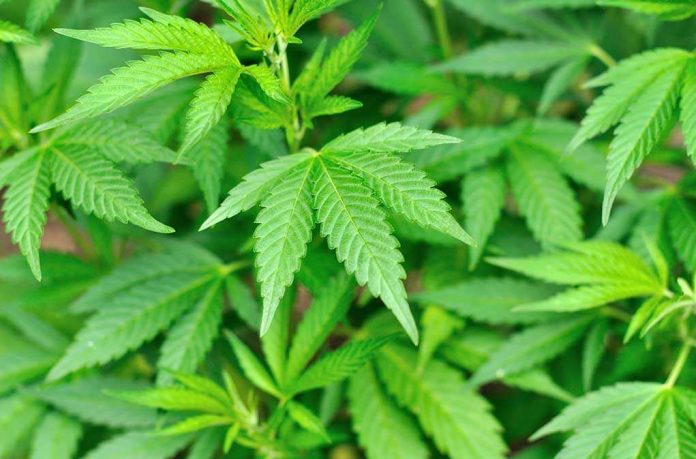
A new public health crisis looms as the fentanyl epidemic poses a deadly threat, overshadowing the increasing normalization of marijuana use.
Story Snapshot
- Fentanyl overdose deaths reached 72,776 in 2023, dominating drug-related fatalities.
- Marijuana use has increased by over 50% compared to tobacco, with 55 million users in the U.S.
- No verified public health threat from fentanyl-laced cannabis according to recent studies.
- Federal and state agencies prioritize fentanyl interdiction, while marijuana legalization expands.
Fentanyl Crisis: A National Emergency
The United States continues to grapple with an alarming fentanyl overdose crisis, which accounted for 69% of all drug-related deaths in 2023. The synthetic opioid is primarily manufactured outside the country and illicitly trafficked across borders, making it a significant public health concern. Despite a slight decline in fatalities from the previous year, fentanyl still claims nearly 200 lives daily, underscoring the urgent need for effective intervention and policy reform.
Federal and state agencies are intensifying efforts to disrupt fentanyl supply chains, with a focus on preventing smuggling and illegal distribution. The Drug Enforcement Administration (DEA) and Customs and Border Protection are pivotal in these operations, targeting trafficking networks and securing the U.S.-Mexico border. Meanwhile, healthcare providers are on the frontline, administering naloxone to reverse overdoses and providing critical care to affected individuals.
Marijuana: Rising Use and Legalization
In stark contrast to the fentanyl crisis, marijuana use has seen a significant rise, with the number of active users surpassing those of tobacco smokers. This increase coincides with the broader trend of legalization across numerous states, despite federal laws remaining unchanged. While marijuana is perceived as low-risk compared to opioids, there are ongoing concerns about its potential impact on mental health, particularly among adolescents and individuals with predisposed conditions.
Legalization presents economic benefits through taxation and regulation, but also sparks debates about federal rescheduling and interstate commerce. The cannabis industry continues to advocate for broader acceptance and market expansion, highlighting the contrast in policy approaches between marijuana and fentanyl.
Fentanyl and Marijuana: Addressing Misconceptions
Recent reports have clarified misconceptions regarding the presence of fentanyl in marijuana. The New York State Office of Cannabis Management confirmed that there have been no verified cases of fentanyl contamination in cannabis. This finding is corroborated by the DEA and other federal agencies, alleviating unfounded fears of fentanyl-laced marijuana posing overdose risks. Instead, attention remains on fentanyl’s mixing with other illicit drugs, such as heroin and cocaine, which significantly increase overdose potentials.
Public health messaging emphasizes the importance of naloxone availability and overdose response as part of a comprehensive strategy to mitigate the fentanyl crisis. The focus is on factual education about the risks of different substances and promoting harm reduction practices to protect vulnerable populations.
Sources:
USAFacts: Are Fentanyl Overdose Deaths Rising in the US?
Maine Drug Data Hub: The Fentanyl Epidemic
MATTERS Network: Fentanyl in Cannabis
Drug Abuse Statistics: Marijuana Addiction