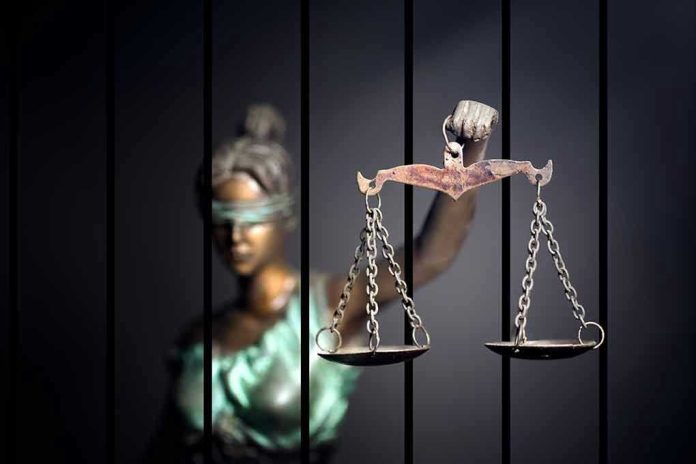
A new legal development highlights the tragic consequences of untreated mental health issues, stirring debates on justice and care.
Story Highlights
- Mia Bailey sentenced to 50 years to life for murdering her parents.
- Case underscores gaps in mental health support and intervention.
- Family statements emphasize need for both justice and mental health care.
- Sentencing reflects balance between punishment and compassion.
Mia Bailey’s Sentencing: A Complex Case of Familicide
On December 19, 2025, Mia Bailey was sentenced to two consecutive terms of 25 years to life for the murders of her parents in their Utah home. This tragic case underscores the intersection of mental health crises and criminal justice. Bailey, diagnosed with multiple mental illnesses, pleaded guilty and mentally ill to two counts of aggravated murder and one count of aggravated assault.
Bailey’s defense highlighted her severe mental health issues, which included diagnoses of autism, schizophrenia, and bipolar disorder. Despite these challenges, the court determined she was competent to stand trial. Her plea deal was reached on November 7, 2025, acknowledging her mental illness while ensuring accountability for her actions.
Family’s Perspective and Judicial Decision
The Bailey family faced unimaginable loss with the deaths of Gail and Joseph Bailey. During sentencing, Mia’s surviving brothers, Colin and Dustin, delivered emotional impact statements. They emphasized the need for justice but also highlighted systemic failures in mental health support. The judge imposed consecutive sentences, reflecting a balance between retribution and recognition of mental health complexities.
This case has drawn attention to the gaps in mental health intervention and the challenges of addressing severe mental illness within the justice system. The community and family members hope this tragic event will lead to changes in how mental health crises are managed.
Implications for Mental Health and Justice Systems
Mia Bailey’s case illustrates the critical need for improved mental health care and crisis intervention. The failure to provide adequate support before the murders has sparked discussions on policy reforms in Utah. As Bailey begins her sentence in Utah State Prison, the hope remains that her case will serve as a catalyst for change, ensuring others receive the help she lacked.
This sentencing marks the conclusion of a high-profile case that has gripped the local community. It highlights the ongoing struggle to balance justice and compassion in cases involving severe mental illness.
Sources:
Court TV: “I’m Sincerely Deeply Sorry”: Mia Bailey Sentenced for Parents’ Murders
KUTV: Mia Bailey Case Coverage