A new DEA initiative finally treats the Sinaloa Cartel and CJNG like narco‑terrorist enemies of American families, not just drug dealers gaming an open border.
Story Highlights
- The DEA has launched a named nationwide fentanyl crackdown aimed directly at the Sinaloa Cartel and CJNG supply chains feeding America’s overdose crisis.
- The initiative combines intelligence, sanctions, and enforcement surges, reflecting years of pressure from conservatives to treat cartels as terrorist‑style threats.
- The effort lands in a country still reeling from prior border chaos and lax enforcement, which helped cartels expand fentanyl pipelines into U.S. communities.
- Success will depend on sustained pressure, real border security, and refusing to let globalist or “harm‑reduction only” agendas weaken enforcement.
DEA moves from generic drug war to targeted cartel offensive
The DEA’s new fentanyl initiative represents a shift from broad “war on drugs” rhetoric to a focused campaign against cartel‑made synthetic opioids, naming the Sinaloa Cartel and Jalisco New Generation Cartel (CJNG) as core threats. The agency is packaging years of investigations, seizures, and public warnings into a branded offensive that highlights these organizations as central drivers of counterfeit fentanyl‑laced pills and powder entering U.S. towns. For conservatives, that focus finally aligns law enforcement with the real enemy, not law‑abiding gun owners or pain patients.
The initiative builds on a pattern that started when fentanyl overtook heroin as the leading driver of overdose deaths, while DEA and CDC data showed cartels shifting from traditional drugs to higher‑profit synthetics. As Chinese‑made finished fentanyl faced tighter scrutiny, Chinese actors increasingly shipped precursor chemicals instead, which Mexican labs controlled by Sinaloa and CJNG used to manufacture fentanyl at scale. That evolution turned the southern border into the critical chokepoint, making weak enforcement and sanctuary politics a gift to transnational criminal networks.
From “One Pill Can Kill” to a fentanyl war on narco‑terrorist cartels
The new initiative grows out of earlier efforts like the DEA’s “One Pill Can Kill” campaign and multi‑state takedowns of Sinaloa and CJNG operatives tied to counterfeit pills. Over the past several years, U.S. officials increasingly described these cartels as narco‑terrorist actors, not just smugglers, as overdose deaths kept climbing despite high‑profile indictments. Conservatives argued that without serious consequences, cartels would simply absorb arrests, replace mid‑level operatives, and continue flooding the market with stronger, deadlier synthetic opioids.
Today’s strategy reflects lessons from those failures by trying to hit cartels across multiple fronts at once: intelligence‑driven enforcement, financial sanctions, and diplomatic pressure on Mexico and other transit countries. The initiative aims to dismantle specific fentanyl supply chains, not just grab headlines with “kingpin” arrests that leave the business model intact. That approach fits conservative demands for outcomes that actually protect American families, instead of symbolic gestures that play well on cable news while overdoses continue climbing in small towns and suburbs.
Key agencies and the fight over strategy
The offensive is led by the DEA, but it relies heavily on the Department of Justice for multi‑district prosecutions and material‑support‑style charges where terrorism framing can be applied. The Treasury Department’s sanctions arm targets cartel money, front companies, logistics firms, and laundering networks, while the State Department uses diplomatic pressure, extradition deals, and potential terrorist designations. Mexican military and law‑enforcement units raid labs and seize shipments, but they operate under constant pressure from cartel violence, corruption, and domestic political calculations.
Inside the United States, a deeper policy struggle continues over whether to frame fentanyl primarily as a security threat or a public‑health crisis. Security‑oriented officials and many conservatives favor treating Sinaloa and CJNG like terrorist organizations, leveraging every available tool, including designations and extraterritorial authorities. Health‑oriented voices emphasize treatment and harm‑reduction, sometimes downplaying enforcement or opposing stronger border controls, which frustrates communities that see overdose deaths tied directly to cross‑border trafficking and cartel power.
How the initiative hits the border, communities, and cartels
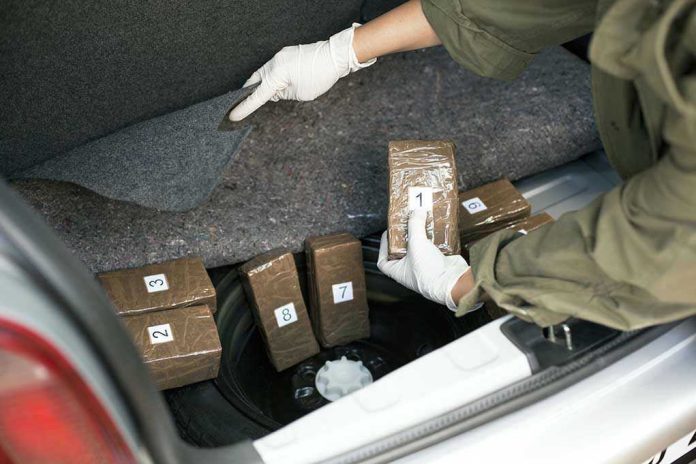
In the short term, the campaign increases operational risk and cost for Sinaloa and CJNG by targeting labs, brokers, and key smuggling corridors, especially along the southern border. High‑visibility seizures of fentanyl powder, counterfeit pills, and precursor chemicals can disrupt distribution networks and deter some would‑be traffickers. However, synthetic‑drug markets adapt quickly, and cartels respond by splitting loads, changing routes, and experimenting with mixtures like xylazine or alternative synthetics, all of which can make the street supply even more unpredictable for users.
Longer term, sustained and coordinated pressure could degrade critical nodes in cartel supply chains—chemists, brokers, logistics hubs, and financial channels—reducing their efficiency and profits. If Washington pairs that with serious border enforcement and real efforts to root out corruption and money‑laundering, cartels will have fewer opportunities to exploit weak links in the system. Without that follow‑through, they may simply shift to new compounds, new production zones, or other lucrative crimes like human smuggling, leaving American families facing the same lethal risk under a different chemical name.
Political stakes and conservative priorities
The fentanyl initiative lands at a moment when Americans are exhausted by years of overdose deaths, inflation, and open‑border chaos that enriched cartels and endangered communities. Conservatives see a clear connection between prior lax enforcement, ideological “open borders” politics, and the growth of Sinaloa and CJNG as narco‑terrorist players deeply embedded in U.S. overdose trends. Many border‑state leaders now back even tougher options, including cross‑border operations, while Mexican civil‑society voices warn about the risk of escalation without reforms against corruption and abuse.
Experts across the spectrum agree that supply‑side crackdowns alone cannot solve a synthetic‑opioid crisis driven by addiction, inequality, and health‑care gaps, but conservatives insist that strong enforcement is non‑negotiable. Any serious strategy must protect communities first, secure the border, and treat cartels as hostile foreign actors, not misunderstood “stakeholders” in a complex drug policy debate. The DEA’s new initiative is a step toward that mindset; whether it becomes a turning point depends on sustained will, constitutional oversight, and refusal to let globalist or ideological agendas undermine American security.
Sources:
DEA Launches Fentanyl Free America Initiative to Combat Synthetic Drug Crisis
U.S. Treasury Sanctions Cartel-Linked Individuals and Entities
DEA: Major Mexican Cartels Overview
DEA 2025 National Drug Threat Assessment
U.S. State Department: Designation of International Cartels
DEA: Fentanyl-Related Resources and Campaigns
DOJ: Enforcement Surge to Reduce Fentanyl Supply Across the United States