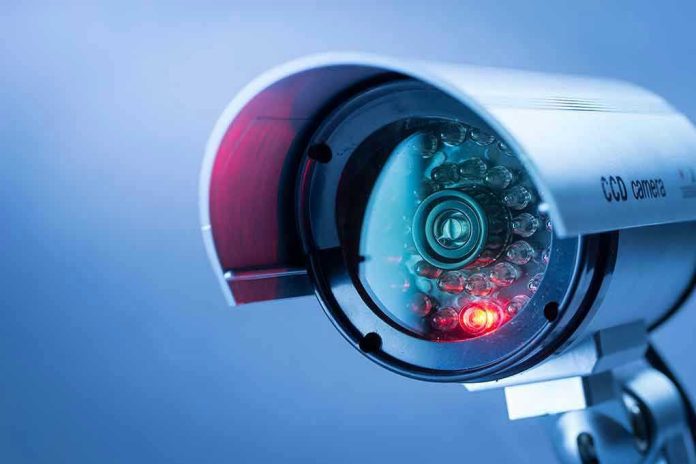
A startling global cybercrime operation exposed the vulnerability of 120,000 South Korean home cameras, raising critical concerns about privacy and security.
Story Highlights
- Four individuals arrested for hacking 120,000 South Korean cameras
- Operation exploited security flaws, generating illicit revenue
- Case underscores global deficiencies in IoT device security
- International coordination aims to dismantle the distribution network
Massive Breach of South Korean Surveillance Cameras
In 2023, South Korean authorities arrested four individuals responsible for hacking into approximately 120,000 internet protocol (IP) surveillance cameras. These perpetrators targeted consumer-grade security devices, extracting sexually explicit recordings for sale on global pornographic platforms. Unlike typical cybercrimes focused on financial fraud, this operation exploited personal privacy on a massive scale, raising alarm over the ease with which such breaches can occur.
The arrested individuals operated independently, each targeting thousands of cameras to generate significant revenue. The most prolific hacker accessed 70,000 cameras, creating 648 videos and earning approximately €10,000 in cryptocurrency. The commercial sophistication of their operations highlights the financial incentives driving such criminal activities, with content representing 62% of material on an international porn platform.
Global Implications and Law Enforcement Response
The South Korean case is part of a broader trend in cybercrime, with similar incidents reported worldwide. In 2021, a vulnerability in Verkada cameras exposed 150,000 devices, while a 2023 report identified over 40,000 security cameras broadcasting openly online. These cases underscore systemic vulnerabilities in IP camera security and the growing interest of cybercriminals in exploiting these weaknesses for financial gain.
South Korean police, in collaboration with international law enforcement, are working to dismantle the global distribution network for the stolen content. Authorities aim to close the pornographic platform hosting the illicit material, escalating efforts from individual arrests to targeting the infrastructure enabling the criminal enterprise.
Addressing the Broader Cybersecurity Challenge
This incident has significant implications for cybersecurity policy and device manufacturer practices. It emphasizes the need for stronger security protocols, including mandatory password changes, two-factor authentication, and regular updates for internet-connected devices. The case also highlights the importance of international cooperation in prosecuting both perpetrators and consumers of stolen content to disrupt the economic incentives fueling such crimes.
Experts warn that the technical simplicity of hacking these devices poses a critical concern. Using readily available software, the perpetrators were able to locate, identify, and access cameras, demonstrating the low barrier to entry for this type of cybercrime. As awareness grows, manufacturers face increased scrutiny regarding the default security settings of their products.
Sources:
Four ‘Hackers’ Arrested for Accessing 120,000 South Korean Home Cameras to Obtain Sexual Material
Tesla Camera Scandal: Latest Lesson on the Dangers of Letting Companies Record You