A new strategy targets domestic terrorism, raising critical questions about civil liberties and political bias.
Story Highlights
- President Trump signs new NSPM to counter domestic terrorism.
- Strategy focuses on organized political violence and financial networks.
- Antifa designated as a domestic terrorist organization.
- Concerns about civil liberties and potential political bias.
Trump’s Comprehensive Domestic Terrorism Strategy
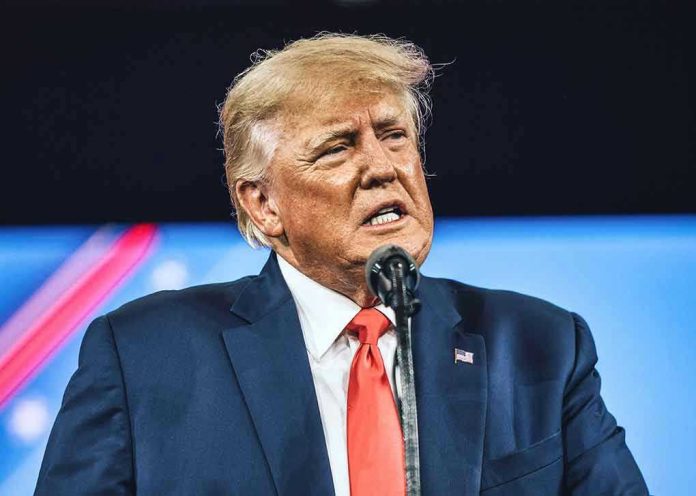
In 2025, President Donald J. Trump signed a National Security Presidential Memorandum (NSPM) aimed at tackling domestic terrorism and organized political violence. This significant policy shift emphasizes a comprehensive approach, extending beyond traditional counterterrorism methods.
The administration describes the threat as sophisticated campaigns requiring coordinated federal action to dismantle financial and organizational networks supporting violence.
The NSPM follows multiple executive orders, including the designation of Antifa as a domestic terrorist organization. The administration argues this group, among others, is part of organized efforts threatening national security. These measures align with broader efforts to secure the nation, tackling issues from border security to international partnerships.
Federal Coordination and Implementation
Key federal agencies, including the FBI and Department of Justice, are tasked with implementing this strategy. The Joint Terrorism Task Forces (JTTFs) will play a central role in coordinating investigations and prosecutions. The Department of Treasury is focused on disrupting financial networks, while the IRS ensures tax compliance among organizations potentially involved in political violence.
These efforts aim to address not just violent acts but also the rhetoric and organizational support structures facilitating such violence. However, the lack of clear criteria for designating groups as domestic terrorists raises constitutional concerns, particularly related to First Amendment rights.
Concerns and Civil Liberties
The American Civil Liberties Union (ACLU) has expressed apprehension about potential overreach and the impact on civil liberties. Critics argue that the strategy could be used to target nonprofits and activists, citing ambiguities in defining domestic terrorism. They warn of selective enforcement that could disproportionately affect political opposition and activists.
The administration maintains that the strategy is essential for national security, emphasizing the need to protect public safety and uphold the rule of law. The plan’s success will depend on its execution and the balance between security measures and the protection of individual freedoms.
Sources:
Holland & Knight’s compilation of Trump 2025 executive orders
White House fact sheet on the counter-terrorism strategy
Federal Register proclamations and executive documents
ACLU analysis of the policy framework and civil liberties implications