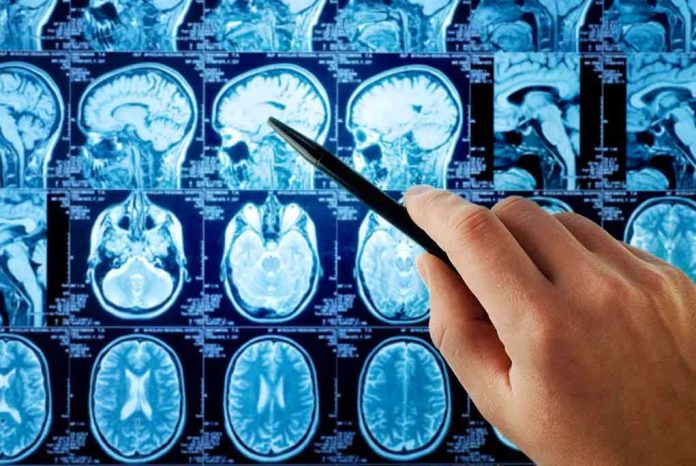
A psychiatrist’s shocking discovery of environmental toxins infiltrating human brain tissue has exposed yet another consequence of decades of unchecked industrial pollution and regulatory failure.
Story Highlights
- Psychiatrist discovers alarming contamination patterns in human brain tissue, prompting three-year personal habit overhaul
- Environmental toxins, including microplastics, found penetrating brain barriers previously thought impermeable
- Research reveals brain’s vulnerability to modern industrial pollutants affecting mental health and cognitive function
- Expert’s personal transformation demonstrates individual action can mitigate environmental health risks
Disturbing Brain Contamination Patterns Revealed
A psychiatrist’s examination of human brain tissue revealed unprecedented levels of environmental contaminants that fundamentally altered their understanding of modern health threats. The discovery showed microplastics, chemical residues, and other industrial pollutants had breached the blood-brain barrier, accumulating in neural tissue at concerning concentrations. These findings challenged long-held assumptions about the brain’s protective mechanisms against environmental toxins. The contamination patterns suggested widespread exposure across populations, indicating this represents a systemic health crisis rather than isolated incidents.
The psychiatrist’s three-year personal experiment involved systematically eliminating potential sources of contamination from daily routines. Changes included switching to filtered water systems, avoiding plastic food containers, selecting organic produce, and modifying household products containing synthetic chemicals. This methodical approach allowed the psychiatrist to monitor improvements in cognitive function, mood stability, and overall mental clarity. The results provided compelling evidence that individual choices can meaningfully reduce toxic exposure and improve brain health outcomes.
Industrial Pollution’s Assault on Brain Function
Recent scientific research has identified specific mechanisms by which environmental contaminants disrupt neural pathways and cellular communication in the brain. Studies show microplastics can trigger inflammatory responses that interfere with neurotransmitter production and synaptic function. Chemical pollutants accumulate in brain tissue over time, potentially contributing to rising rates of depression, anxiety, and cognitive decline. This represents a direct threat to mental health that government agencies have largely ignored while prioritizing corporate interests over public safety.
The brain’s remarkable plasticity offers hope for recovery through targeted lifestyle modifications and reduced exposure to harmful substances. Neuroplasticity research demonstrates that brain tissue can repair and regenerate when toxic loads are reduced and proper nutrition is restored. However, this requires individual vigilance in an environment where regulatory agencies have failed to protect citizens from industrial contamination. The psychiatrist’s experience proves that personal responsibility and informed choices can overcome institutional failures to safeguard public health.
Government Failure Exposes Citizens to Toxic Threats
Decades of lax environmental regulations and industry-friendly policies have allowed dangerous substances to proliferate throughout the food supply, water systems, and consumer products. Federal agencies tasked with protecting public health have consistently prioritized corporate profits over citizen welfare, enabling widespread contamination of human tissues. This regulatory capture represents a fundamental betrayal of government’s constitutional duty to protect American families from preventable health hazards. The psychiatrist’s findings underscore the urgent need for citizens to take protective measures when institutions fail their basic responsibilities.
The discovery serves as a wake-up call for Americans who value personal health freedom and family protection against government negligence. Traditional conservative principles of self-reliance and individual responsibility become essential when federal agencies abandon their protective role. Citizens must educate themselves about environmental threats, make informed consumer choices, and take proactive steps to shield their families from toxic exposures. This psychiatrist’s courageous example demonstrates that individual action can triumph over institutional failure to preserve health and cognitive liberty.
Sources:
ScienceDaily – Brain Cell Research
Hackaday – Depression Switch Discovery
Berkey Water Filter News – Psychiatrist Brain Warning
Mad in America – Mental Illness Research Analysis
The Cool Down – Plastic in Brain Discovery
SciTechDaily – Harvard Psychiatrist Cellular Research