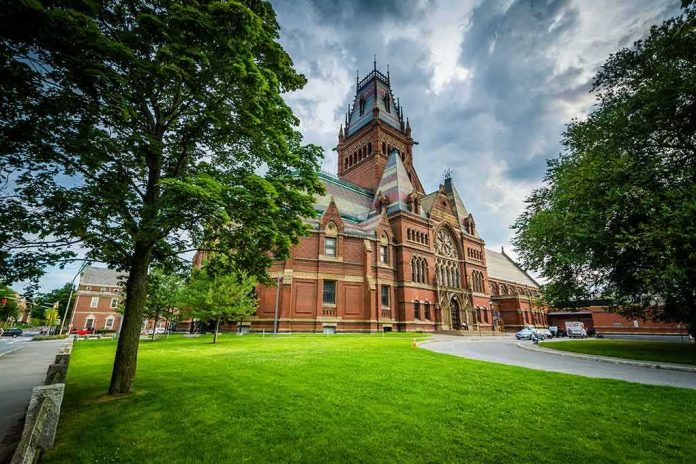
An intentional explosion at Harvard Medical School has exposed alarming gaps in campus security, reigniting concerns about threats to American institutions and the safety of our communities.
Story Snapshot
- Authorities confirm an intentional explosion at Harvard Medical School’s Goldenson Building; two suspects remain at large.
- No injuries or significant damage reported, but the attack has triggered a major law enforcement response and community anxiety.
- Incident highlights vulnerabilities in high-profile academic settings and raises questions about preparedness amid rising social unrest.
- Law enforcement released suspect photos, and campus safety protocols are under review as the investigation continues.
Explosion at Prestigious Harvard Facility Raises Security Concerns
Early Saturday morning, November 1, 2025, an explosion rocked the fourth floor of the Goldenson Building at Harvard Medical School, sending shockwaves through the Boston academic community. Authorities immediately determined the blast was intentional, not accidental, and released images of two unidentified suspects seen fleeing the scene. While, thankfully, no injuries or structural damage occurred, the deliberate nature of the attack has unsettled a city already wary of threats to its core institutions.
The Harvard University Police Department and the Boston Fire Department’s arson unit quickly responded, confirming the explosion was a deliberate act. The emergency response included a rapid evacuation and a meticulous sweep of the building, ensuring no additional devices were present. As the investigation unfolded, law enforcement released photos of the suspects to the public, emphasizing their commitment to campus safety. However, the suspects remain unidentified and at large, leaving unresolved questions and heightened anxiety among students, faculty, and staff.
Intentional Act Exposes Vulnerabilities in Academic Settings
The Goldenson Building, a central research hub currently undergoing restoration, stands at the heart of Boston’s Longwood Medical Area—an area known for its dense population of students, faculty, and medical professionals. While no recent threats or similar incidents have been reported at Harvard Medical School, the rarity of such attacks at leading research institutions only amplifies concern. The event has prompted urgent conversations about the adequacy of existing security protocols and the risk of copycat incidents targeting critical American infrastructure.
Harvard Medical School’s administration has moved to reassure the public, confirming the building is safe, that operations have resumed, and that there is no ongoing threat. Despite these reassurances, the incident has left the Harvard community shaken, with a heightened police presence and increased scrutiny of campus safety measures. The deliberate nature of the attack—combined with the suspects still at large—underscores broader questions about how well our leading institutions are prepared for acts of sabotage or violence in an era marked by political and social tension.
Broader Implications and the Call for Vigilance
This intentional act serves as a stark reminder that even America’s most prestigious institutions are not immune to threats—whether from political extremists, disgruntled insiders, or opportunists seeking chaos. The incident, though causing no physical harm, forced a temporary shutdown of critical research activities and heightened anxiety across the campus and beyond. Stakeholders, from university leaders to local law enforcement, are now reviewing protocols and emphasizing transparent communication—a step welcomed by many, but raising the question: why weren’t these measures already robust enough to prevent such a breach?
Security experts agree that rapid response and clear communication are vital, but some community members remain concerned about lingering vulnerabilities and the potential for future attacks. In an era where Americans have watched government overreach, erosion of constitutional rights, and disregard for the rule of law, this incident is a wake-up call. It’s a call for renewed vigilance, stronger protections of our institutions, and unwavering defense of the values—like public safety and personal liberty—that define our nation.
two unidentified individuals running from the building
Police Probe 'Intentional' Explosion at Harvard Medical Building https://t.co/g4VbM7Aza2
— Punkin (@PatriotPunkin1) November 2, 2025
While the investigation continues and campus life resumes, the Harvard Medical School explosion leaves one lesson clear: safeguarding our institutions is not optional. It is an urgent, ongoing responsibility. As the suspects remain at large and the motives unknown, the American people expect accountability and commonsense action—not complacency or politically correct excuses. Our nation’s future depends on it.
Sources:
Explosion at Harvard Medical School Appears Intentional, Authorities Say
Update on Goldenson Building and Campus Safety – Harvard Medical School