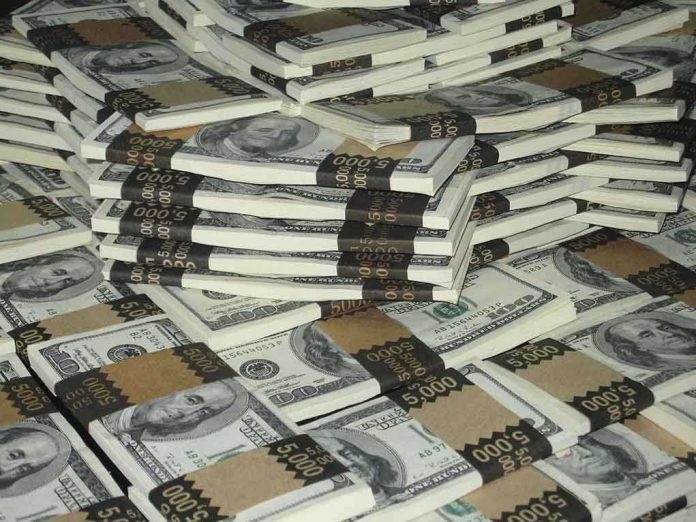
Record Powerball jackpots are fueling a risky surge in gambling and reshaping retail and state finances, as communities and policymakers wrestle with the fallout of America’s latest lottery fever.
Story Highlights
- The Powerball jackpot has soared to $950 million after nearly three months without a winner, setting a modern record for consecutive rollovers.
- Ticket sales have jumped 40% year-over-year, driving a major spike in retail and digital lottery platform revenues.
- Low-income players bear the brunt of increased lottery spending, intensifying economic inequality and sparking renewed debate about gambling’s social costs.
- State governments and retailers benefit from surging revenues, but experts warn of volatility and potential declines once jackpot fever subsides.
Jackpot Surge Breaks Records, Drives Spending Spree
The Powerball lottery’s jackpot has climbed from $643 million in early August to an unprecedented $950 million by August 28, 2025, after 38 consecutive drawings failed to produce a grand prize winner. This extended drought has fueled a ticket-buying frenzy, with sales jumping 40% compared to last year. Retailers, especially convenience stores and gas stations, have reported significant increases in both lottery purchases and ancillary spending on items like snacks and beverages, while digital lottery platforms have seen their user base expand rapidly.
Retailers and digital platforms are not the only winners. State governments are enjoying a windfall in tax revenues, as each ticket sale contributes to public coffers earmarked for education, infrastructure, and other programs. For many states, these surges offer short-term budget relief following years of fiscal mismanagement and questionable spending priorities under previous administrations. However, the current environment also reflects deeper economic anxieties, as millions of Americans chase a shot at life-changing wealth in uncertain times.
Economic and Social Ripple Effects
The impact of the Powerball surge goes far beyond record sales. Retail foot traffic has reached levels not seen in years, while digital lottery participation now accounts for 60% of purchases. This shift is transforming the traditional retail landscape and empowering new competitors in the digital space. Yet, while the lottery’s popularity is boosting profits for business and government alike, it is also taking a toll on vulnerable communities. Low-income Americans are disproportionately represented among frequent lottery players, with many risking essential funds for a slim chance at relief from financial hardship.
Experts in behavioral economics caution that the normalization of high-stakes gambling can have lasting social consequences. When the jackpot eventually resets, research indicates ticket sales typically fall by at least 15%, exposing retailers and tax authorities to sudden drops in revenue. This volatility creates new risks for businesses and governments that become dependent on lottery windfalls. At the same time, the cycle of “jackpot fever” encourages speculative spending that can exacerbate wealth inequality and undermine long-term economic stability.
Industry Responses and Policy Implications
Lottery officials and retail executives have celebrated the current surge, highlighting its benefits for local economies and public programs. The Powerball Product Group and state lottery administrators emphasize that a portion of every ticket supports community investments. However, critics note that these short-term gains come at the expense of the most financially vulnerable, fueling debate over the ethics of state-sponsored gambling as a revenue tool. Some policymakers are calling for reforms to address the social costs, including measures to limit aggressive marketing, expand financial literacy programs, and increase transparency around where lottery proceeds are spent.
Powerball jackpot soars to $950M — 6th largest in game’s history — as drought nears 3 months https://t.co/OJCEJvoMDS
— Jeffrey A. Setaro (@jasetaro) August 28, 2025
Industry observers also point to the rapid growth of digital lottery platforms as a disruptive force, challenging legacy retail models and raising questions about responsible gaming practices. As digital access makes gambling easier than ever, the need for robust consumer protections—and a balanced debate about the role of state lotteries in American life—will only intensify. For now, the Powerball surge remains both a symbol of economic hope and a cautionary tale about the consequences of speculative risk-taking in turbulent times.
Sources:
Powerball jackpot soars to $700 million, 40% ticket sales surge
Rising Powerball jackpot: Unintended economic impact
US news: Nearly $1 billion up for grabs as Powerball jackpot hits estimated $950 million
US news: $800 million and rising—Powerball jackpot soars to new high