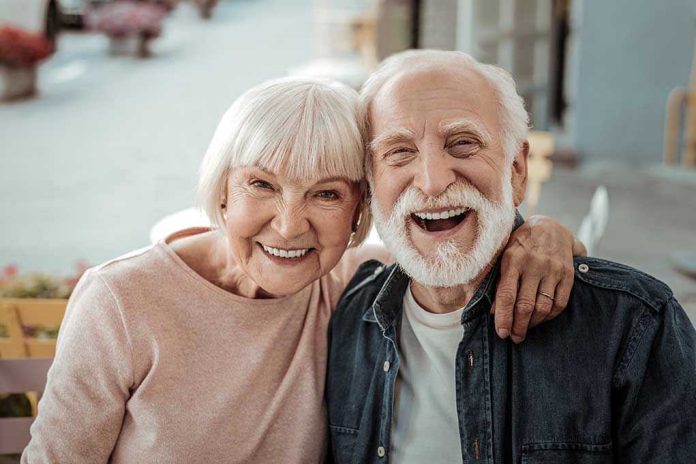
If you think your brain is destined for a slow, foggy fade after 80, meet the super-agers—octogenarians and beyond who defy the odds, keeping their minds and bodies sharper than a tack, and science is finally uncovering their astonishing secrets.
At a Glance
- Super-agers maintain youthful brains and physical abilities far beyond their years.
- Exercise—particularly a mix of aerobic, resistance, and balance training—is the not-so-magic ingredient.
- Doing more than the bare minimum pays off: greater activity equals greater longevity and cognitive resilience.
- Despite the evidence, most older adults still don’t move enough to reap the benefits.
Super-Agers: The Marvels Who Break the Rules of Aging
Super-agers are the unicorns of the retirement community—the folks who breeze through crossword puzzles, outpace their grandkids on walks, and remember where they left their teeth and their car keys. For years, scientists scratched their heads: Were these people just genetic lottery winners, or could their secret sauce be bottled? Enter the age of brain scans and big data, and the answer is starting to look less like luck and more like lacing up those sneakers.
The term “super-ager” is not just a cutesy nickname. Researchers use it to describe people in their 80s and 90s who perform mentally and physically like those decades younger. MRI studies have revealed that super-agers lose brain volume at about half the rate of their peers, especially in regions linked to memory and executive function. Their muscles and bones often show similar preservation, defying the age-related shrinkage seen in the average population. This isn’t just an academic curiosity—unpacking their habits could unlock the blueprint for how we all age.
Exercise: The Closest Thing to a Fountain of Youth
Forget mythical springs—super-agers are guzzling from water bottles at the gym. Recent large cohort studies confirm that older adults who exercise two to four times the minimum recommended amount drop their risk of early death even further. Aerobic activity, resistance training, and balance work each add a unique ingredient to the longevity stew. Aerobic movement keeps the heart and brain well-fed with oxygen. Resistance training protects against sarcopenia—the muscle-sapping villain of aging. Balance routines, meanwhile, ward off falls, the nemesis of independence in old age.
Physicians and researchers now agree: one-size-fits-all fitness advice is out. Instead, they recommend mixing aerobic walks with weight training and even high-intensity intervals for those who can. The payoff? Studies show not just longer life, but better life—more years spent mobile, independent, and sharp as a quiz show champion. Super-agers tend to be those who never fully retire from movement, making exercise as routine as coffee and complaining about politics.
The Barriers Between Us and Super-Aging
Despite the good news, the majority of older adults are not logging enough movement. Why? The obstacles are as varied as aging itself: aches and pains, lack of access to safe spaces, and the ever-present lure of the recliner. Motivation often wanes when the benefits of exercise seem distant and the effort immediate. Even so, the science is unequivocal—moving more, and more often, works for nearly everyone, not just the genetically gifted.
Public health campaigns are pushing for age-friendly cities with walkable neighborhoods, affordable fitness programs, and doctors who prescribe movement as medicine. Meanwhile, the fitness industry is rolling out classes with names like “Silver Strength” and “Vintage Vinyasa,” because who doesn’t want to feel timeless while sweating to the oldies? The challenge is translating science into action—bridging the gap between knowing what works and actually doing it.
A Future Where Aging Isn’t a Decline but a Triumph
Imagine a world where turning 80 means gaining wisdom—not losing independence. The super-ager phenomenon is shifting the narrative from inevitable decline to possible renewal. Communities will need to support these shifts, from urban planners designing safe sidewalks to healthcare providers writing exercise “prescriptions.” The real victory will be when stories of super-agers are no longer remarkable, but the norm.
The final act isn’t about outliving your friends; it’s about outliving your own expectations. The research is clear: if you want to remain the life of the party into your ninth decade, there’s no shortcut—just a lifelong dance with movement, curiosity, and a little bit of grit. So, if you’re reading this and sitting down, consider this your cue to get up and walk a few steps toward your own super-aging story.