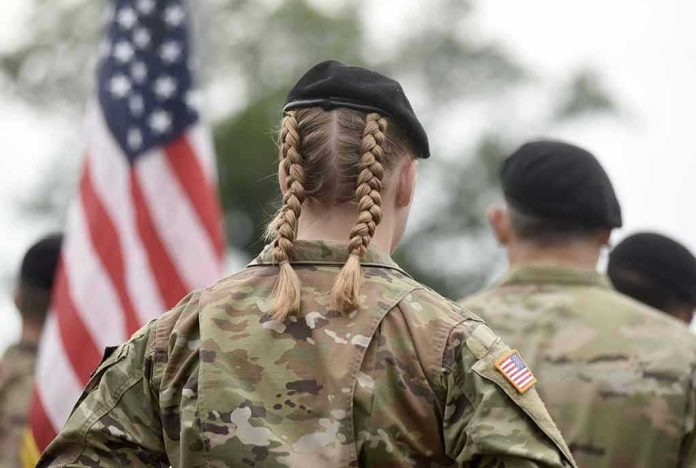
A 22-year-old Army cadet collapsed and died during a grueling summer training exercise at Fort Knox, raising urgent questions about military training safety and just how far we push our young patriots in the name of readiness.
At a Glance
- Army Cadet Neil Edara, 22, died during Land Navigation training at Fort Knox on July 24, 2025.
- Edara was a Rutgers University ROTC student preparing for officer commissioning.
- He was airlifted to University of Louisville Hospital but was pronounced dead.
- The Army has launched an investigation into the circumstances of his death.
- Cadet Edara’s loss reverberates through his family, ROTC peers, and the military training community.
Tragic Loss at Fort Knox: Cadet’s Death Sparks Grief and Questions
Fort Knox, Kentucky—The nation’s largest Army training event, which draws over 7,000 ROTC cadets from colleges nationwide, was rocked by tragedy this week. Neil Edara, a 22-year-old cadet from Ridgewood, New Jersey, collapsed during the notoriously punishing Land Navigation exercise on July 24. Designed to push young men and women to their physical and mental limits, the course is a crucible for future Army officers. This time, the test proved fatal.
Edara, who joined the Rutgers University ROTC program in September 2021, was participating in the 9th Regiment Advanced Camp—a mandatory milestone before commissioning as an Army officer. As the sun beat down and Kentucky’s humidity soared, Edara became unresponsive. Emergency personnel rushed to his aid, airlifting him to the University of Louisville Hospital, but doctors were unable to revive him. His passing has left a void in his family and among the ranks of cadets who train with grit and determination, trusting that the system will keep them safe while demanding the best of their abilities.
High-Stress Training and Unanswered Safety Concerns
The Land Navigation exercise is infamous among cadets for its difficulty, requiring participants to traverse dense terrain using only a map and compass—often with the clock ticking and the elements against them. Every year, cadets are reminded of the risks: heat, exhaustion, disorientation, and the ever-present expectation to perform under pressure. While fatalities are rare, incidents like Edara’s death reignite concerns about how the Army balances realistic training with safety.
Rutgers ROTC’s Lt. Col. Timothy Sorensen described Edara as “one of the most dedicated and promising young leaders” in the program. The Army’s Public Affairs Office confirmed the incident and announced a formal investigation is underway. For Edara’s family, friends, and fellow cadets, the loss is immeasurable. For the Army, the death is a stark reminder that even in peacetime, the path to becoming an officer is fraught with danger—and that the sacrifices asked of our young people go far beyond the battlefield.
Calls for Accountability and Review of Training Protocols
The Army Cadet Command, responsible for overseeing the summer training and cadet safety, now faces scrutiny over its protocols. The investigation’s findings may prompt changes—not just at Fort Knox, but across all ROTC training programs. With the cause of death still undetermined and a memorial scheduled for July 28, families and fellow cadets are left seeking answers. In the meantime, some training activities have reportedly been suspended or are under review, as the Army reevaluates safety measures for high-risk exercises in extreme weather.
While the Army contends that rigorous training is vital to military readiness, critics argue that such realism should never come at the cost of a cadet’s life. Military training experts and academic observers alike agree: safety and risk mitigation must keep pace with the demands of preparing America’s future leaders. The Army’s final report on Edara’s death will shape the future of these programs—and may determine whether lessons are learned or if this tragedy becomes just another statistic in a long line of preventable losses.
Community Mourning and the Broader Impact on ROTC Programs
Grief has rippled through Rutgers University and the broader ROTC community. Edara’s family plans a private memorial, while classmates and instructors reflect on a young life cut short. The Army’s internal investigation is ongoing, and until results are public, speculation and anxiety linger. For now, families sending their sons and daughters to ROTC programs will have one more reason to worry—a sad, familiar feeling for too many patriotic Americans.
Long term, this tragedy could force ROTC and Army leaders to reexamine how they safeguard cadets during the most challenging parts of their training. Enhanced medical screening and real-time monitoring during strenuous activities are likely to be part of the conversation. The loss of Neil Edara is a powerful reminder that even as we honor service and sacrifice, we must demand accountability and common sense from those in charge of our nation’s future defenders.