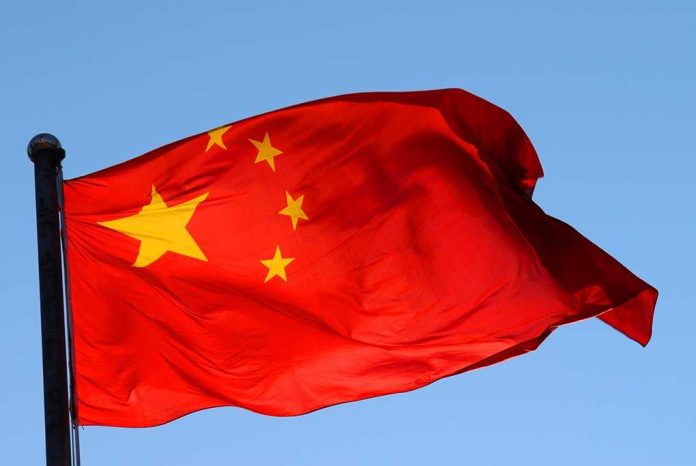
China’s claim that it has “no ambition” to build a military base in the South Pacific is about as convincing as a woke bureaucrat swearing they’re not after your gas stove—yet the region, and especially Fiji, is now caught in the crosshairs of a global power contest that reeks of the same old double standards and slippery denials.
At a Glance
- China publicly denies any intent to build a military base in the South Pacific, blaming “false narratives” and media speculation.
- Fiji’s Prime Minister bluntly rejects the idea of a Chinese military presence, signaling resistance to foreign bases on Fijian soil.
- Western nations remain deeply skeptical, citing China’s secretive security pacts and expanding infrastructure projects with potential “dual use.”
- Pacific Island nations face mounting pressure as superpowers vie for influence, putting sovereignty and development at risk.
Beijing’s Denial: Nothing to See Here, Folks?
China’s embassy in Fiji made a grand display of “transparency” this July, flatly denying rumors of any military ambitions in the South Pacific. Their official line? Any talk of a Chinese base is just “media hype” and a tool for stirring up regional panic. If you believe that, I’ve got a bridge in Brooklyn to sell you. The Chinese are quick to dangle infrastructure aid—roads, bridges, and “no political strings attached” promises—while insisting their intentions are purely developmental. Meanwhile, Western intelligence and analysts keep warning that these projects might just be Trojan Horses, ready to transform from airports and ports into military outposts at the flick of a switch.
China’s so-called openness stands in stark contrast to their 2022 secret security pact with the Solomon Islands—a deal so shrouded in mystery it made the Western world’s collective jaw drop. The fact remains, there are no confirmed Chinese military bases in Fiji or elsewhere in the Pacific as of July 2025. But with China’s track record of “civilian projects” doubling as potential military assets, forgive us for not taking their denials at face value.
Fiji Draws a Line: Not on Our Watch
Fiji’s Prime Minister Sitiveni Rabuka has drawn a clear, unapologetic line in the sand. When pressed about whether China would be welcomed to set up a military toehold in his country, his answer was unequivocal: “Not Fiji.” That’s the kind of clarity we crave—and rarely get—from world leaders these days. Rabuka balances the obvious development needs of his nation with the hard reality of regional geopolitics, and he’s not mincing words when it comes to protecting Fijian sovereignty. But even as he stands firm, Fiji—like many Pacific nations—remains dependent on foreign aid, leaving the door open for influence campaigns from whichever superpower is writing the biggest check. Western nations, especially Australia and the United States, are watching with hawk-eyed suspicion, determined not to let China waltz in uncontested.
Fiji’s refusal to bend to Beijing’s will offers a rare glimpse of common sense in a world where too many leaders are happy to trade sovereignty for cash. Still, the region is a geopolitical chessboard, and these small island nations risk getting caught between two giants, their futures leveraged for someone else’s grand strategy.
Great Power Games and the High Cost of Doubt
The South Pacific has become the latest arena for international power games, and the so-called “aid” pouring in from China is viewed with a mixture of hope and deep skepticism. Western partners remember all too well the secretive nature of China’s Solomon Islands pact, and analysts warn that infrastructure projects—no matter how innocent they appear—could be converted for military use in a heartbeat.
Pacific Island nations find themselves in a classic lose-lose: accept Chinese largesse and risk becoming pawns in Beijing’s global ambitions, or reject it and watch much-needed development slip away. The West, meanwhile, seems content to offer stern warnings and the occasional aid package, but has yet to match the scale or speed of China’s investment blitz. The result is a region on edge, wary of empty promises and hidden agendas, and increasingly skeptical of outsiders bearing gifts.
For everyday citizens, the stakes are more than just abstract geopolitics. Economic dependency, threats to national identity, and the specter of foreign military buildup all loom large. If history is any guide, the people of the South Pacific will pay the highest price for global power games that make a mockery of transparency and sovereignty.
Sources:
RNZ Pacific News: Fiji PM not interested in Chinese military base
The Defense Post: Fiji PM Warns Against Chinese Military Base as Beijing Denies Plans